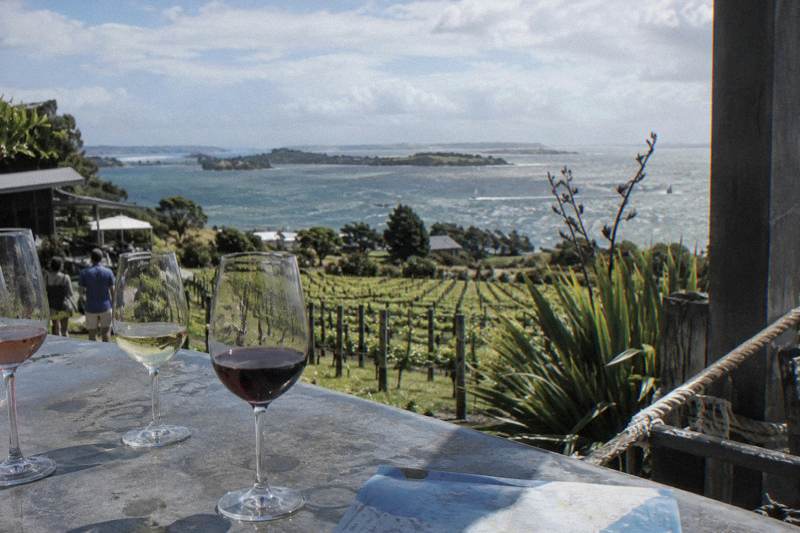
Can You Wear Jeans On A Wine Tour?
Jeans work on most Waiheke wine tours, but gravel cellar paths, a windy ferry crossing, a bush hike or e-bike row all change the details. Here is how to dress for each.
Can You Wear Jeans On A Wine Tour?
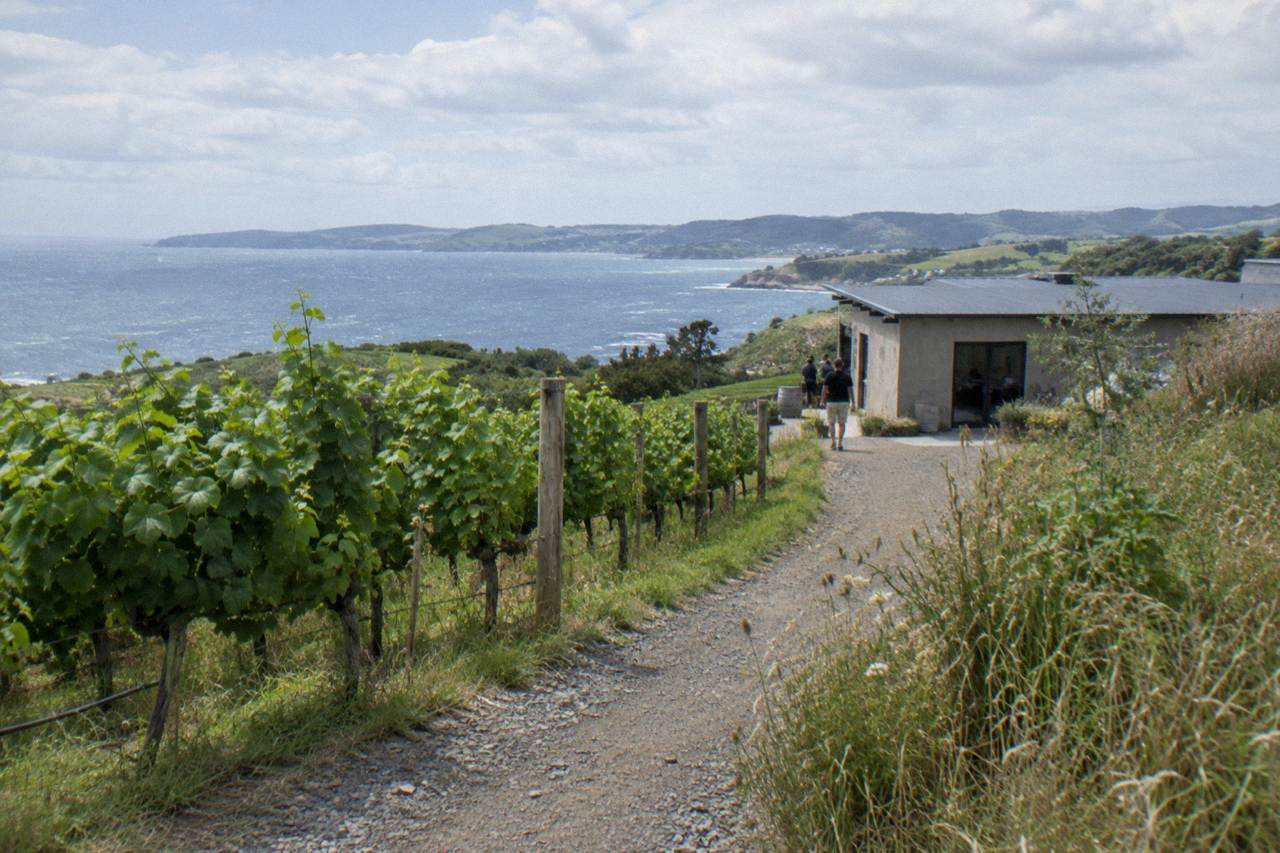
Yes, you can wear jeans on a wine tour, and on Waiheke Island almost nobody will blink at denim, since cellar doors are relaxed rural venues rather than tasting rooms with door policies, and plenty of visitors on any afternoon will be wearing exactly that. What matters more is whether your jeans suit the surfaces, the weather and the tour format you booked.
That distinction matters because "wine tour" covers several very different days on this island. A shared five-hour van tour that stops at three cellar doors is a jeans-perfect scenario. A guided bush hike with two wine tastings, operated by Terra & Tide, involves a genuine coastal walk where the same jeans will feel heavy by the second hour. An e-bike day along the island's hilly sealed roads is a third thing again. The trio below spans those formats, and it is worth matching your outfit to whichever one you have picked.
To be clear about what a dress code would even mean here: the wineries' own association pages list opening hours and tasting fees, not clothing rules, and none of the 28 Waiheke tours we feature prints a dress code on its listing. The Waiheke Wine Growers Association does run an over-18 age gate on its site, because the legal purchase age for alcohol in New Zealand is 18, but nothing about trousers. If a venue ever states a standard, it would be a restaurant hosting a seated dinner, and even then Waiheke's dining rooms lean smart-casual rather than formal.
So the honest answer is practical, not permissive. Jeans are fine. Bad jeans days on Waiheke exist, and they are created by gravel, grass, rain, sea wind and walking, in that order. The rest of this article works through each of those, season by season and surface by surface, so you can decide with your actual tour booked rather than a vague mental picture of vineyards. Read on with your confirmation email in hand, because the format printed on it is the single best predictor of what your feet and legs will thank you for at the end of the afternoon.
What Surfaces Will You Actually Walk On?
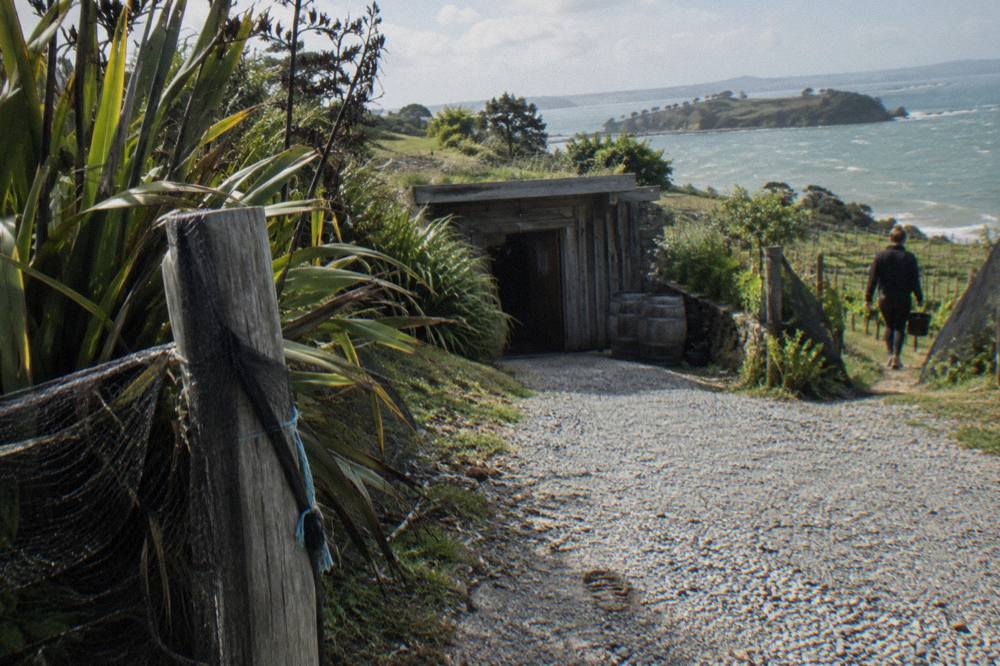
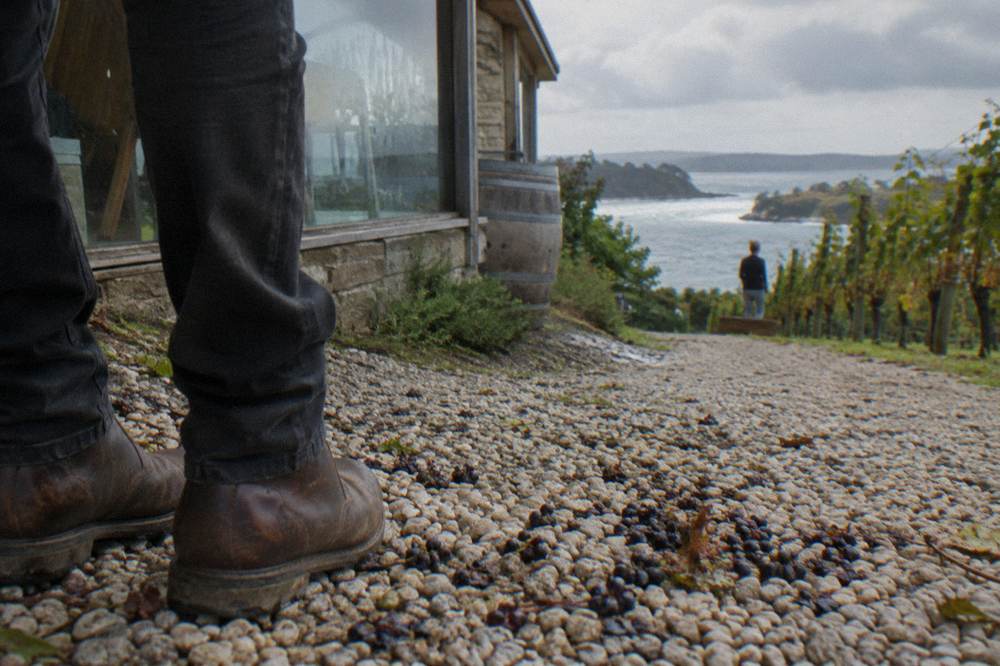
You will mostly walk on loose gravel and grass, often both at once, because most Waiheke cellar doors sit on hillside properties reached by gravel driveways, meaning the short walk from van to tasting room crosses loose stone, a lawn, or a mix. Grass turns soft after rain, which is where thin soles and stiletto heels sink with every step.
The tours themselves are mostly vehicle-based, which is the reason jeans work so well here. The Scenic Wine and Lunch Experience from Ananda Tours, a four-hour shared tour from NZ$275 per person with tasting fees and a platter lunch included, keeps you in an air-conditioned vehicle between stops. You are walking a few dozen metres at each vineyard, standing at a tasting counter, then sitting again. Denim is arguably the ideal fabric for exactly that pattern: durable on gravel, warm in cellar-cooled rooms, indifferent to a splash of rosé.
Standing time is the one factor jeans can make worse on a warm afternoon. Three venues is a typical itinerary, so you can be on your feet, outdoors, in direct sun for a fair part of a five-hour day. Heavy black raw denim in high summer is a personal heat problem even when it is a fashion success. A lighter-weight jean, or anything with a bit of stretch, solves it without changing the look at all.
For comparison, the half-day shared tour with tastings only, from Waiheke Wine Tours Ltd at from NZ$195 per person, is the same movement pattern without the meal, and jeans are equally at home on it. If you want the fuller picture of how formats differ, the site's small-group versus private tour comparison breaks down what changes with each booking type, and none of those changes are sartorial.
A quick note on white jeans specifically, since readers ask: they are permitted everywhere and are simply a risk calculation. Vineyard lawns after rain, a red wine poured at counter height, a picnic seat on a timber bench. Waiheke's regional style leans heavily red, with the association stating that 57 percent of wine produced is red and Merlot alone at 19 percent, so the island's own pours are statistically against you. Dark denim hides everything. If you do wear white or pale denim, a few habits help. Sit before you sip, and keep the glass low and away from your lap when the cellar door is busy, since tasting counters are often standing height and pours arrive fast. Watch the gravel on the way in: many driveways are loose metal, and dust shows on light denim long before the first tasting. On the ferry, the open deck seats are timber slats, and sea spray plus a wet seat leaves marks that dry slowly. Bring a small stain wipe if you can.
Does The Ferry Crossing Change What You Wear?
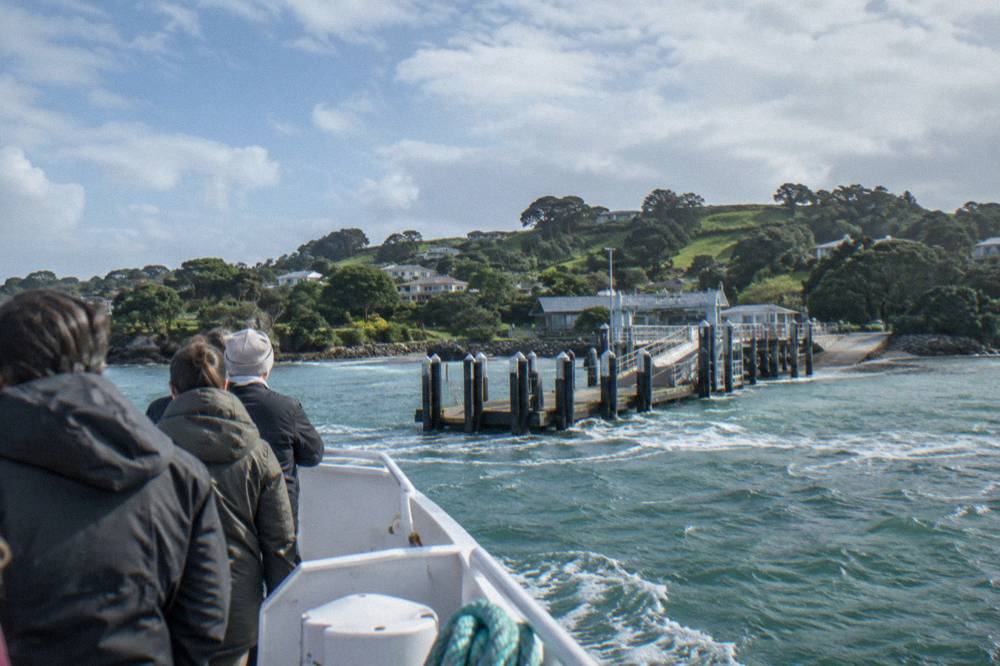
Yes, the ferry crossing absolutely changes what you wear. Almost every Waiheke wine tour starts at Matiatia Wharf, which means your day begins with a 40-minute crossing from Downtown Auckland where the open deck catches a real breeze off the Hauraki Gulf at any time of year. The deck is the windiest spot of your whole day, so jeans are the right call, and what you pair them with matters most.
Long-term climate normals for the Awaroa Valley station put January's mean daily maximum at 24.3 degrees and July's at 15.2, with overnight minimums of 14.5 and 6.9 respectively. Those are sheltered-valley land figures. On an open ferry deck moving across 17.7 km of gulf water, expect the felt temperature to sit well below the shore reading, especially on the return leg in the evening when the sun drops. A layer you can tie around your waist over jeans is the standard local move, and it works in every season.
Rain is the other ferry variable, and it feeds straight back into the jeans question. Annual rainfall at the Awaroa Valley station averages 1,257.5 mm, with July the wettest month at 153.6 mm and January much drier at 66.5 mm. A damp crossing usually means a damp walk down the Matiatia hill to meet your tour, and denim absorbs and holds that moisture for the rest of the day. If the forecast is wet, a synthetic trouser or a quick-dry fabric serves you better, or pack the jeans and travel in something that shrugs off a shower.
The ferry operator's own Waiheke destination page is the place to check sailings and fares before you travel, since walk-up adult returns now sit at NZ$65 with off-peak returns from NZ$48.50 for departures from Auckland from 1pm. Dress for the queue and the deck, not just the vineyard: enclosed shoes with grip, one warm layer, and jeans only if the sky looks honest.
One more practical point that surprises first-timers: several of the tours listed here begin at the Auckland Ferry Terminal rather than on the island, among them the Fullers360 wine and lunch trip, and those days keep you on your feet longer. The Wine-Tasting Tour with Lunch From Auckland, for example, runs 7 hours total versus 5 for tours that start on the island. Add the ferry crossing of about 40 minutes each way and you are looking at a genuinely full day, so comfort beats style. Jeans still work, but pair them with broken-in shoes rather than anything stiff, and bring a layer for the deck and the breeze off the Hauraki Gulf. Same clothing advice, more of it.
What About Jeans On A Bush Hike Or An EBike Day?
Skip the jeans on a bush hike and save them for the winery: on the Small-Group Guided Bush Hike with Wine Tasting from Terra & Tide, denim is heavy, slow-drying and restrictive on a five-hour day that is mostly coastal and bush track, so wear activewear or hiking trousers instead, and apply the same rule to any active eBike day.
The same logic applies in a softer form to the Premium eRide eBike Experience from eRide Waiheke, from NZ$119 per person. The island is genuinely hilly, with steep climbs between the beaches and villages, and cycling in jeans combines restricted knee movement with fabric that catches on the saddle. Most riders manage it fine for a short loop; for a full day on the suggested routes, which the operator maps through its own app, stretchy or padded bottoms win. The listing carries no printed rating yet, so judge it on its format rather than a review pool.
| Tour format | Jeans verdict | The deciding factor | What to wear instead if not jeans |
|---|---|---|---|
| Shared or small-group van tour, 4 to 5 hours | Ideal | Short walks on gravel and grass only | N/A, jeans are the norm |
| Bush hike with wine tasting, 5 hours | Poor | Sustained walking, sweat, possible mud | Trail trousers or leggings |
| eBike hire day | Workable but not comfortable | Hills, saddle friction, knee bend | Stretch bottoms or cycling wear |
| Private vehicle tour with lunch | Ideal | Same as van tours, plus a seated restaurant | Smart-casual works everywhere |
| Hop-on hop-off bus with ferry | Ideal | Walking between 16 stops at your own pace | Grip over fashion on the shoes |
The pattern across that table is simple: the vehicle does the kilometres, and the jeans are fine; your legs do the kilometres, and they deserve better. If you have already booked an active format, one travel-friendly change of clothing or a pair of lightweight trousers in your day bag solves the whole problem, since the wine half of these days is still jeans territory.
It is also worth saying plainly that plenty of visitors do hike in jeans and have a fine time, and if that is your preference, nobody on this island will say a word about it. The advice here is about comfort, not compliance. Waiheke's walking network, including the Te Ara Hura trails that loop more than 100 km around the island, is free public access with no dress rules whatsoever; the constraints are physical, and they are yours to weigh.
What Shoes Work With Jeans On A Vineyard Day?
Enclosed, flat shoes with grip are the island standard, and they matter far more than the jeans themselves. The surfaces do the explaining: loose gravel driveways, timber decks, lawn slopes and, on some properties, grass tracks between the vines. Sandals survive all of this in summer, but thin soles feel every stone, and any heel that concentrates weight will sink into a lawn that was watered that morning. If you fix one thing about your outfit, fix this one.
The ferry adds the second argument. Walk-on crossings mean stairs, ramps and occasionally wet decks, and the same shoes that grip gravel grip a moving vessel. This is why the single most useful clothing decision on a Waiheke wine day is not denim versus chinos, it is trainers or loafers versus anything you would wear to a city restaurant. A white-sole sneaker with jeans reads perfectly at every cellar door on the island and handles every surface the day will produce.
Winter sharpens it. July's long-term mean minimum at the Awaroa Valley station is 6.9 degrees, and rain is frequent at 153.6 mm across the month, so winter vineyard days mix mud, wet decking and cold standing-around time. A closed shoe with a proper tread and maybe a wool sock is the winter formula, and the jeans sit happily over the top. The Auckland tourism guide notes that winter brings quieter cellar doors, some shifting to weekend-only hours, so check ahead for openings rather than turning up on a Tuesday in July expecting a full circuit.
A footnote on the cellar rooms themselves: they are cool, deliberately, because wine is stored and served at controlled temperatures. Standing in a cool tasting room in a summer dress and sandals is a common cause of shivering, and jeans plus a light layer eliminate it entirely. That quiet practicality is a genuine point in denim's favour on this island, whatever the season.
How Does The Season Change The Answer?
Summer makes light denim the easy answer, winter makes any long trouser the easy answer, and the shoulder months just add a layer. The long-term climate normals tell most of the story: January averages a 24.3-degree daily maximum against 14.5 overnight, while July runs 15.2 and 6.9. Jeans sit comfortably inside both ranges, with weight and layering as the only real variables. Nothing about the island's seasons rules denim out.
| Season | Daily max / min (long-term normals) | Typical monthly rain | Jeans guidance |
|---|---|---|---|
| Summer, December to February | Up to 24.3 / 14.5 in January | 66.5 mm in January | Light-weight denim; sun layer for the ferry deck |
| Autumn, March to May | Milding through the season | Moderate | Any denim; pack a rain layer |
| Winter, June to August | 15.2 / 6.9 in July | 153.6 mm in July | Full-weight denim; waterproof outer layer and closed shoes |
| Spring, September to November | Warming, showery | Variable | Mid-weight denim; umbrella or shell jacket |
The harvest adds a seasonal wrinkle that only exists in autumn. Picking in the Auckland region has been underway as early as late January in recent seasons, per national harvest reporting, and by March and April the vineyards are working properties: tractors, pallets, occasional mud between rows if the crews have moved through after rain. Tastings continue as normal, but a vineyard-adjacent walk in that period rewards darker trousers and real shoes. The Auckland tourism guide calls autumn a sweet spot for milder days and thinner crowds, which is exactly when jeans-and-a-jacket is the perfect island uniform.
One seasonal exception to remember, and it is a date rather than a garment: the Waiheke Island of Wine celebration ran 1 to 31 October 2026 as a month-long programme of winemaker dinners, masterclasses and cellar-door exclusives. Event formats like seated dinners trend slightly dressier than a standard tasting day, so if a future edition coincides with your visit and you book a dinner, elevate the top half and keep the jeans dark. Events change year to year, so the Waiheke Winegrowers Association news page is the authoritative listing.
For the broader timing question, including which months suit which travel style, the site's guide to the best time of year to visit for wine covers the calendar in full. Clothing is the smaller half of seasonal planning; ferry frequency, cellar-door hours and tour availability are the bigger half, and those shift more than the weather does.
Common Questions About Wine Tour Dress
Can You Wear Jeans On A Wine Tour?
Yes. No Waiheke winery or tour listing prints a dress code, and denim is common at every cellar door. Match the weight of the denim to the season, and swap it for trail trousers only if your tour is a bush hike or an e-bike day.
Do Any Waiheke Wineries Have A Dress Code?
None that any listing or association page states. The only gate the winegrowers' own site runs is an over-18 age check, because the legal alcohol purchase age in New Zealand is 18. Smart-casual is the island norm for seated dinners.
Are Sneakers Acceptable At Cellar Doors?
Yes, and they are the most practical choice. Gravel driveways, lawns and ferry decks all reward flat enclosed shoes with grip. Thin-soled sandals and heels are the only options that genuinely struggle with the island's surfaces.
What Should I Wear On A Wine Tour In Winter?
Full-weight jeans or any warm trouser, a waterproof outer layer and closed shoes. July's long-term mean minimum at the Awaroa Valley station is 6.9 degrees and it is the wettest month at 153.6 mm of rain, so warmth and grip beat style.
Is Denim Ok For A Waiheke Bush Hike With Wine Tasting?
It will not be refused, but it will be heavy. Hike-based tours involve a five-hour day on coastal track where sweat, mud and knee movement all favour stretchy synthetic fabrics. Bring a change if you want denim for the tasting stops.
Will I Be Cold On The Ferry If I Wear Jeans?
Your legs will be fine; your top half will not. Open ferry decks run noticeably cooler than the shore, so the standard move is jeans plus a warm layer you can tie around your waist for the 40-minute crossing.
The short version, one last time: jeans are not just allowed on a Waiheke wine tour, they are well suited to it, because most days are vehicle-and-cellar-door days on gravel and grass. The exceptions announce themselves in the tour title. The rule holds across every tour listed on Waiheke Wine Tours: read the format first, then dress for the surfaces that format creates. And if the question you are really asking is whether walking, rather than wearing, is the constraint, the guide to walking between wineries on the island answers that one in full.