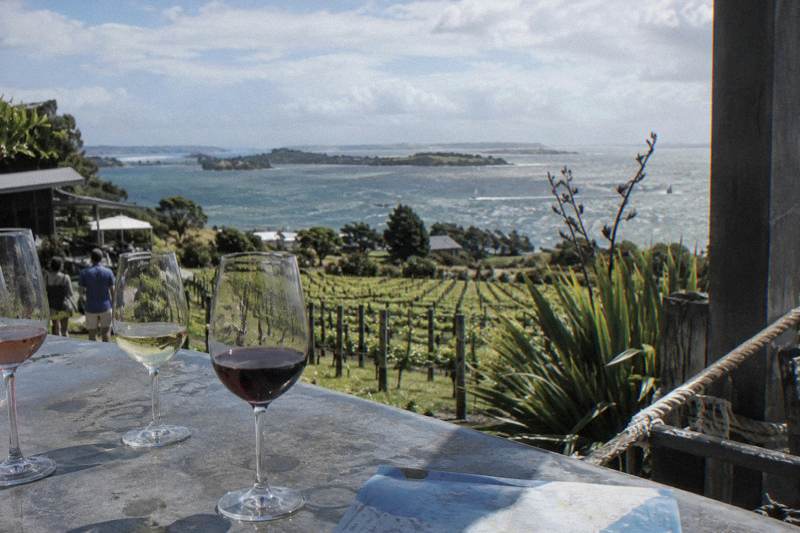
What Is The Best Time Of Year To Visit Waiheke Island For Wine?
A month by month look at Waiheke Island's wine season, using long-term climate normals, harvest timing, cellar door hours and ferry schedules to help you pick the right month for a wine tour.
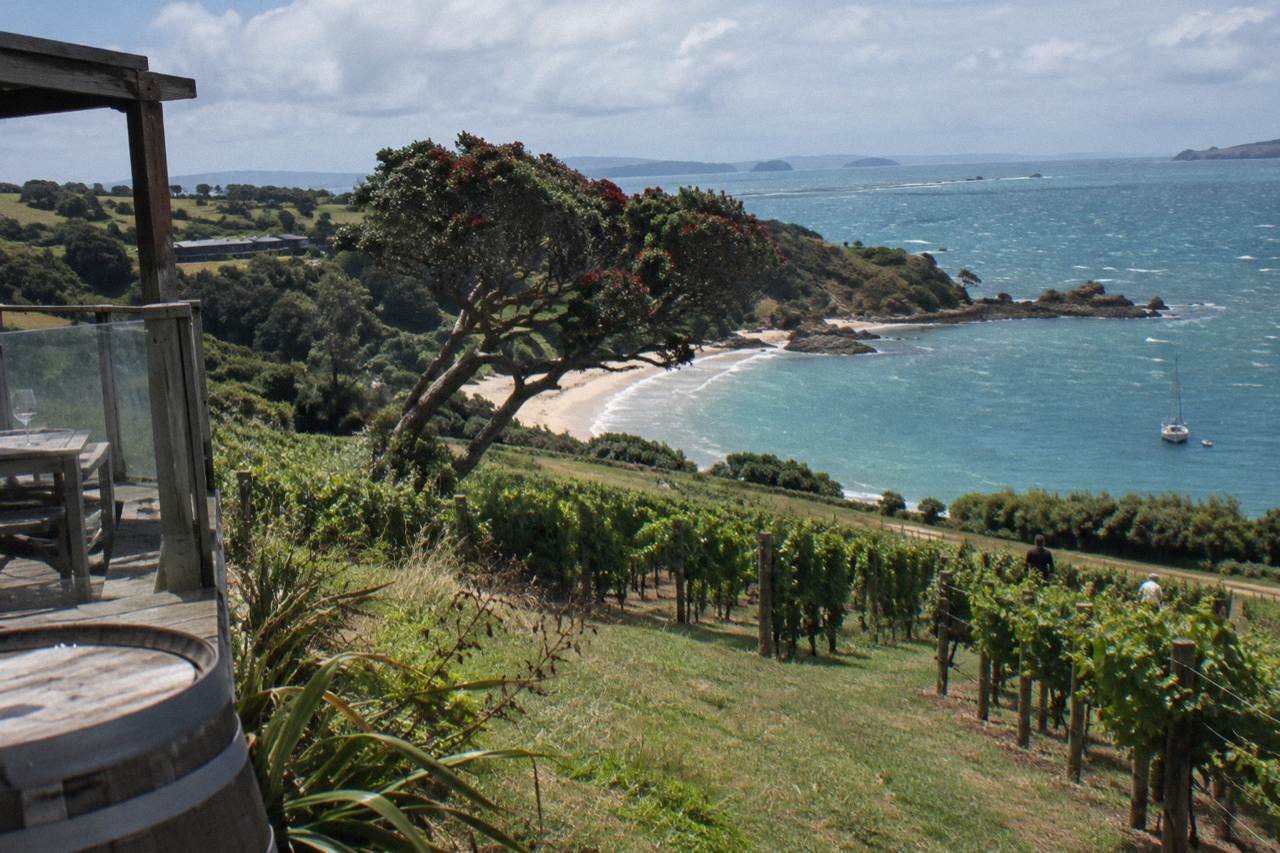
Waiheke Island sits in the Hauraki Gulf, a 40 to 45 minute ferry crossing from Downtown Auckland, and its wine year has a rhythm all of its own. The island's 216 hectares of vines among 30 growers, as the Waiheke Wine Growers Association states, ripen on a warm, dry microclimate that behaves differently from mainland Auckland. Choosing when to go is not a trivial detail. The month sets the temperature on the tasting terrace, the state of the vines, the crowd levels at cellar doors, and even how often the ferry sails. This guide works through the year month by month, anchored on the long-term climate normals for the island's Awaroa Valley station and the season descriptions published by Auckland's tourism guide, so you can match a tour date to the experience you actually want.
What Is The Best Time Of Year To Visit Waiheke Island For Wine?
For most visitors, late summer through autumn, roughly February to April, is the strongest window: harvest is underway or just finished, the long-term January daily maximum sits at 24.3 degrees Celsius with the island's driest conditions of the pair, and the vines are at their most photogenic. Autumn is described by Auckland's tourism guide as a "sweet spot" with milder days and thinner crowds. Winter is quiet and cheap but some cellar doors cut their hours.
The honest answer has layers. A visitor whose priority is swimming weather and a buzzing island will read that answer differently from a visitor who wants a calm tasting room, an unhurried lunch, and a winemaker with time to talk. Both can have an excellent day on Waiheke; they just need different months. February and March deliver heat, long evenings, and fruit on the vine, at the cost of fuller boats and busier cellar doors. April and May trade a few degrees of warmth for elbow room and the amber tones of the post-harvest vineyard. June through August are the quiet months, when the island belongs to locals and the Auckland tourism guide notes that some cellar doors shift to weekend-only or reduced hours, though it also flags better availability and value. The tours themselves run year round and are booked by date, so the month you pick simply becomes the date you book. The shared day tour with tastings and lunch from Ananda Tours, the half-day shared tour with tastings only, and the self-guided premium eRide eBike experience all operate as dated products, which makes the calendar a real decision, not a hypothetical one.
One thing worth saying early: no month is disqualified. The island's climate is milder than most of New Zealand's wine regions, its red-heavy plantings, 57 percent of production according to the association, are built for warm dry summers, and the ferry runs every day of the year. The question is which trade-offs you prefer, and the rest of this guide lays those out month by month.
How Does The Island's Climate Change Month To Month?
Long-term climate normals for the Awaroa Valley station on Waiheke show a classic warm-summer, mild-winter pattern: January averages a daily maximum of 24.3 degrees Celsius against July's 15.2, and annual rainfall totals 1,257.5 mm, weighted toward the winter months. These are 1991 to 2020 normals, so they describe the long run, not any single year's forecast.
The table below is the backbone of every seasonal argument in this guide. It uses the NIWA 1991-2020 normals for Awaroa Valley, which is the weather station the island's climate data is recorded at, and it is the fairest way to compare the seasonal extremes without pretending anyone can promise weather.
| Period | Mean daily max (C) | Mean daily min (C) | Rainfall |
|---|---|---|---|
| January (summer reference) | 24.3 | 14.5 | 66.5 mm monthly |
| July (winter reference) | 15.2 | 6.9 | 153.6 mm monthly |
| Full year | between the two, seasonally | between the two, seasonally | 1,257.5 mm annual total |
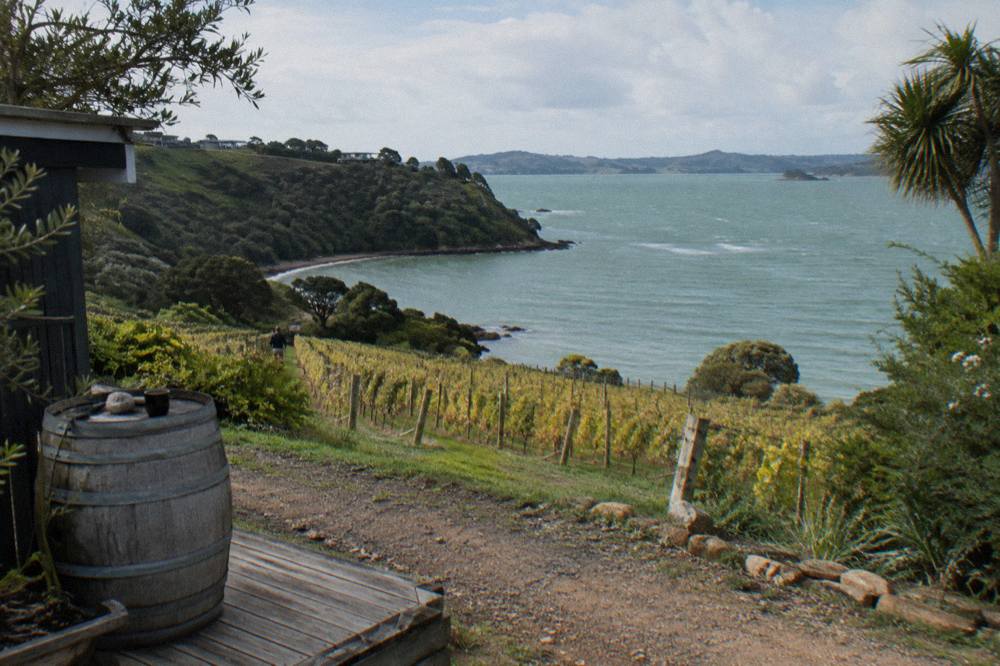
Two patterns jump out. First, the summer plateau: January's maximum of 24.3 degrees sits a full nine degrees above July's 15.2, a big seasonal swing for a small island, and February runs close behind January at the warm end of the year. Second, the July rainfall peak of 153.6 mm is more than double January's 66.5 mm, which is why winter visits trade quiet cellar doors for a real chance of showers. Shoulder months split the difference: spring and autumn sit between the two extremes in both temperature and rainfall, and and the winegrowers association ran its month-long Island of Wine celebration in October, from 1 to 31 October 2026 with winemaker dinners, masterclasses and cellar door exclusives across the island.
Rainfall matters more on Waiheke than the totals suggest, because so much of a wine visit happens outdoors: the tasting terraces at Mudbrick and Cable Bay, the lawn at Casita Miro, the beachfront at Onetangi. A wet February afternoon can still be a superb tasting day; a wet July week can feel like a different island. Plan around the normals, but check a forecast before you lock a date, because no table promises any individual day.
When Is Grape Harvest Season On Waiheke Island?
Grape harvest on Waiheke and the wider Auckland region typically runs from late January through March, with regional picking for sparkling base wines starting in early February and still wines from mid-February in recent seasons. The Auckland tourism guide ties autumn's appeal directly to this, describing April and May as harvest-adjacent months with milder days and thinner crowds.
Harvest is the most romantic time to stand in a Waiheke vineyard, and also the most chaotic time to catch a winemaker. Regional reporting on the 2026 vintage describes picking underway in the Auckland area by late January, with La Nina-influenced humidity and two significant rain events keeping growers vigilant, and Chardonnay the standout variety despite yields around 20 percent below normal. In the same season, a Kumeu River producer in the Auckland region began picking for sparkling wine on 4 February and still wines from 16 February. These are Auckland-region lines, not Waiheke-specific ones, and every vintage moves; treat them as a shape, not a schedule.
For visitors, harvest season means three practical things. The vines are heavy with fruit, netted in many blocks, and at their most photogenic. Cellar doors are fully staffed and fully open, because summer is when the island's visitor economy is at full stretch. And the people pouring your tasting may be the same people who were picking at dawn, so patience and early visits serve you well. If seeing harvest activity itself is the goal, aim for late February or the first half of March, and book a tour with a set itinerary rather than a hop-on hop-off day, since wineries can be mid-pick.
The Scenic Wine Tour with Lunch, a shared 5 hour tour from Waiheke Wine Tours Ltd rated 4.8 from 281 reviews, from NZ$300 per person, is a good fit for this window because its set menu lunch at Three Seven Two and three tasting stops are locked in, whatever the vineyards are doing that week. One guest review from the listing captures the summer-shoulder mood: "What a fun day trip to Waiheke island! Plus WINE!" It is a reminder that the harvest months deliver exactly what most people picture when they imagine the island.
What Are The Peak Summer Months Like For A Wine Tour?
December through February brings the island's warmest weather, anchored by the long-term January normals of a 24.3 degree daily maximum and 66.5 mm of rain for the whole month, and the fullest visitor operation, with Auckland's tourism guide describing summer as the period of warm weather, swimming, full operations and the highest crowds, and advising that ferries, winery visits, tours and accommodation be booked well ahead.
Summer is the Waiheke of postcards, and it earns the reputation. The long days mean a 5 or 6 hour tour that starts mid-morning finishes in golden late-afternoon light. The ferry is at its busiest, but also at its most frequent: Fullers360 added more than 1,600 extra sailings for summer 2026-27 compared with the previous summer, with 30-minute frequency at peak times from 19 October 2026 and 20-minute intervals at the busiest times from 30 November 2026 to 28 February 2027, per the operator's own announcement. That frequency cuts both ways: easier to get there, easier for the boats to feel full.
The crowds are real but manageable with one habit: book by date, early. Dated tours carry fixed capacity, so the visitor who books a small-group tasting tour weeks ahead sails serenely past the walk-up crowd wondering which cellar door still has a table. The Waiheke Island Wineries Day Tour with Tastings and Lunch from Ananda Tours, rated 4.9 from 198 reviews and from NZ$310 per person, includes tastings at 3 vineyards, a scenic route with lookouts and beaches, and a one course lunch with a local beverage, which removes the hardest part of a busy summer day, finding a lunch table near the beach. A guest review on that listing sums it up: "Great way to enjoy some of Waihekes vineyards in a casual manner, plus a yummy lunch to end trip."
Summer also carries the only genuine weather caution in this guide: heat. A January day on a west-facing terrace at 3pm is glorious for exactly as long as you have water and shade, and most tours are built around that reality, with air-conditioned vehicles between stops. Sunscreen and a hat are not optional in January. Book the ferry ahead too, since summer sailings fill; a useful companion read is our guide to Waiheke ferry timetables, fares and tickets, which covers the current walk-up and off-peak fares, from NZ$65 adult return walk-up and from NZ$48.50 off-peak for departures from Auckland from 1pm, always confirm on the operator's page.
Why Do Many Writers Call Autumn The Sweet Spot?
Autumn, April and May, is the season Auckland's tourism guide itself labels a "sweet spot": milder days, the tail of grape harvest, and thinner crowds as families return home, with temperatures easing down from the January peak toward the winter reference point and rainfall rising gradually month by month across the season.
The phrase is not marketing gloss; it is the Auckland tourism guide's own wording, and it survives scrutiny. April on Waiheke is still warm enough for lunch outdoors at most cellar doors, sitting well above the July minimum in the long-term record, while the January crush of visitors has thinned. The vines turn copper and gold once the fruit is off, which many photographers argue is the island's best-looking fortnight. Tasting rooms have time to breathe, and the people behind them have harvested, so conversations run longer.
The trade-offs are honest ones. Rainfall climbs steadily through the shoulder months toward the winter peak, and evenings cool quickly once the sun drops. Some beach-oriented parts of the island experience, the swimming, the long golden afternoons on Onetangi, become unreliable. But for a visitor whose day is structured around wine, food and scenery rather than swimming, April in particular is arguably the single best-value month on the island: near-summer warmth, harvest-adjacent vines, off-peak ferry fares for afternoon departures, and cellar doors still on full hours.
Autumn also suits the food-led formats. The Gourmet Food and Wine Tour from Ananda Tours, rated 4.9 from 310 reviews and from NZ$325 per person, moves between a hosted tasting at Kennedy Point, olive oil at Allpress Estate, a pairing and family-style tapas lunch at Casita Miro, and a beer, gin and whisky tasting at The Heke, a sequence that loses nothing when the beach turns cool and gains a great deal when the dining room is calm. One guest review on that listing: "Excellent tour. The tour guide knew the island very well and pointed all places on the island."
What Is Winter Like, And Which Cellar Doors Cut Their Hours?
Winter, June to August, is the island's quietest season, with the long-term July normals of a 15.2 degree daily maximum and 153.6 mm of rain, and, as Auckland's tourism guide notes, some cellar doors shifting to weekend-only or reduced hours, balanced by better availability and value across the island.
Winter on Waiheke is not a shut-down; it is a slowdown, and the specifics matter. The winegrowers association's own page for Man O' War, for instance, lists its cellar door open Wednesday to Sunday in winter with 11am to 4pm hours, against extended summer hours, a concrete example of the pattern the tourism guide describes generally. The practical rule for a winter visit: check each cellar door's current hours on its own page or the Waiheke Wine Growers Association site before you plan a route, because reduced schedules vary venue by venue and change year to year.
Ferry logistics shift too. SeaLink's winter schedule, the operator's quieter sailing pattern, runs roughly early May to mid October, with fewer vehicle-ferry sailings, and Fullers360's passenger service, while year-round and frequent, is more exposed to weather-related disruption in the colder months. The passenger ferry's walk-up service still runs up to 50 sailings a day between Matiatia and Downtown Auckland in the operator's current operation, so getting there is not the problem; a blustery crossing can be.
What winter gives back is space and price. The Auckland tourism guide's own framing is that winter offers "better availability and value," and the island's tone changes completely: tastings are unhurried, restaurant tables are gettable, and the Waiheke Wine Tours product set still runs, just with more same-week availability than February ever offers. A dated shared tour such as the Half-Day Scenic Wine and Lunch Experience from Ananda Tours, rated 4.8 from 73 reviews and from NZ$275 per person for a 4 hour format with a platter lunch and tasting fees covered, is a compact winter-friendly shape, since it packs the whole day into the warmest midday hours. A guest review on that listing reads: "This was a great tour and Fleur was a wonderful, knowledgeable guide."
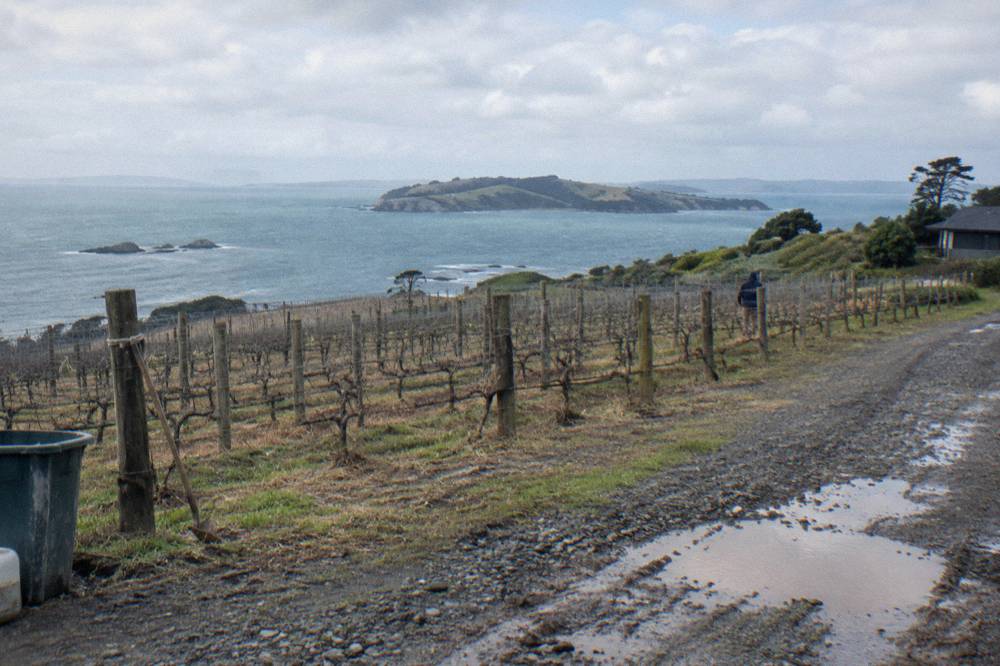
Winter visitors should also set expectations about the vines themselves. Between pruning season and budburst, the vineyards are skeletal, all structure and no fruit, which some travelers find starkly beautiful and others find underwhelming. If your mental image of Waiheke is a green wall of Sauvignon Blanc leaves, winter will not supply it.
What About Spring And October's Island Of Wine?
Spring, September to November, warms steadily back toward summer levels between the July and January reference points in the long-term record, with rainfall easing away from the winter peak as the season advances, and October carries a wine-specific draw: the Waiheke Winegrowers Association's Island of Wine celebration ran the full month of October in 2026.
Spring is the sleeper season, and October is its headline. The Island of Wine programme ran 1 to 31 October 2026, with winemaker dinners, masterclasses, cellar door exclusives, curated tastings and talks across the island's vineyards and restaurants, launched by the association to draw visitors in the shoulder season. It ran; if the format returns in future years, the association's site is the place to confirm, since events change year to year. Beyond any festival, spring itself rewards: budburst turns the vineyards green again from around September, rainfall recedes from July's peak as the months roll on, and the visitor load is still well below summer's.
Spring's weather is changeable in a way the normals understate: a spring day can deliver both a shower and a warm afternoon, sometimes in that order. Layered clothing and a booked indoor lunch stop are the two best spring tactics. The Boutique Waiheke Island Wine, Gin and Food Tour from WOW Tours NZ, rated 5 from 18 reviews and from NZ$349 per person, bundles lunch, all tasting fees and shared food at the distillery stop into a 6 hour small-group day, which makes it resilient to a squall rolling through mid-afternoon.
One more spring note for planners: the Easter period, whenever it falls, is functionally a long weekend for Auckland, and island demand spikes accordingly even outside high summer. The association and operators confirm event dates year to year, so treat Easter weekend as a mini-peak and book a dated tour ahead.
How Does The Ferry Timetable Change With The Seasons?
The passenger ferry runs year-round with up to 50 sailings a day between Matiatia and Downtown Auckland, but frequency is seasonal: Fullers360's summer 2026-27 schedule adds more than 1,600 sailings versus the previous summer, reaching 20-minute intervals at the busiest times from late November to the end of February, while the vehicle ferry runs a reduced winter schedule from roughly early May to mid October.
For wine tourists the ferry is not a footnote, since nearly every tour on the island starts at Matiatia Wharf and only a handful include the ferry ticket: the Fullers360 ferry-and-bus ticket, the private tour bundling ferry, lunch and a bus pass, and the private sommelier tour, though that sommelier listing is inconsistent, naming ferry tickets while starting at Matiatia. Fares moved on 12 October 2026: the off-peak adult return is now NZ$48.50 for departures from Auckland from 1pm, with off-peak child returns at NZ$21, per the operator's fare announcement. Those fares are always "from", and the operator's own page is the authority for the day you sail. The summer sailings announcement spells out the frequency steps in full.
Seasonally, the practical implications are simple. In summer, sail often but book ahead, because frequency is at its maximum and so is demand; pre-purchase online, as the operator recommends, both for price and to skip terminal queues. In the shoulder and winter months, off-peak fares and midweek dates pair naturally, and the 1pm-or-later departure rule for off-peak pricing actually fits a relaxed wine day: arrive early afternoon, tour the following morning, or simply accept a later start. Anyone weighing the drive-on option should read our piece on taking a car to Waiheke Island, noting the drink-driving limit for drivers 20 and over is no more than 250 micrograms of alcohol per litre of breath, per NZTA, which is why guided tours exist in the first place.
The off-peak timing rule deserves emphasis because it interacts with wine itineraries specifically. A departure from Auckland from 1pm qualifies for the off-peak return fare, but many wine tours start mid-morning at Matiatia, meaning a peak morning sailing out. Families and groups should do the arithmetic on the family return at NZ$138 versus four separate tickets before assuming the bundle wins on every date.
Which Month Should You Actually Book For?
Match the month to your priority: February to early March for harvest energy and the warmest weather on the long-term record, April for the calm, golden post-harvest island while temperatures still sit well above winter's, October for wine programming and green vines, and June to August for quiet, value and unhurried tastings, accepting reduced cellar door hours and the wettest part of the year.
This is the decision section, so it deserves a decision table rather than more prose.
| If your priority is | Best months | Why | What to accept |
|---|---|---|---|
| Warm terrace weather and swimming | December to February | Warmest stretch of the year, driest months | Highest crowds, book everything ahead |
| Seeing harvest and fruit on the vines | Late February to mid March | Auckland-region picking runs Feb to Mar in recent seasons | Busy cellar doors, winemakers mid-pick |
| Calm island, golden vines, good value | April | Post-harvest colours, thinner crowds, still mild | Cooler evenings, rainfall rising toward winter |
| Wine events and programming | October | Island of Wine ran the full month in October 2026 | Event details change year to year, confirm first |
| Lowest prices and empty tasting rooms | June to August | Better availability and value, per the tourism guide | Cool days, heavy rainfall, reduced hours |
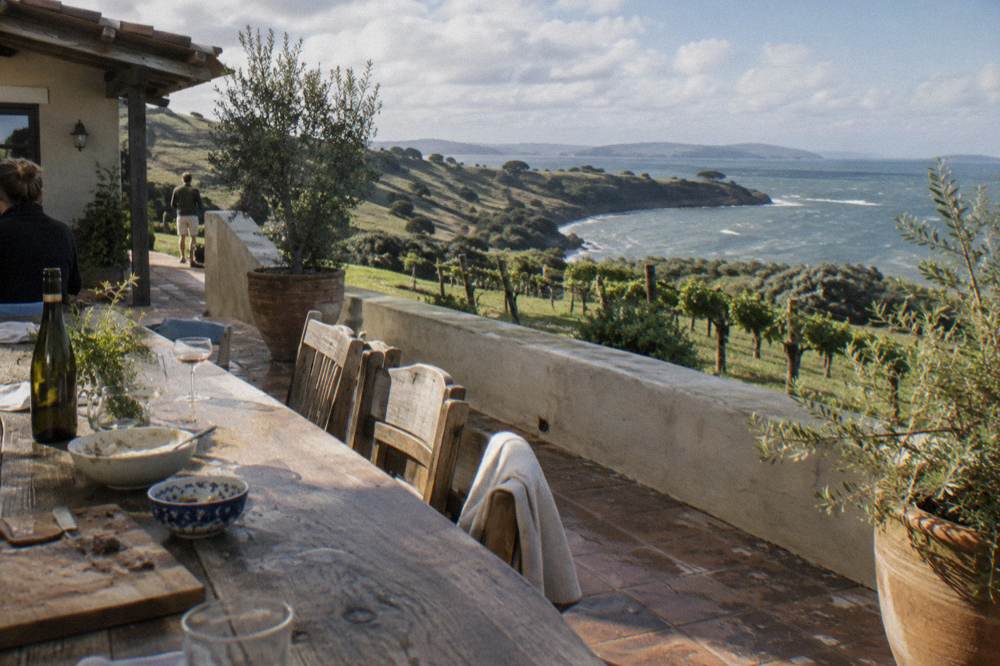
Booking mechanics are the same in every month: tours are dated products with fixed capacity, and the ferry is nearly always separate. The Half-Day Wineries Tour with Tastings from Waiheke Wine Tours Ltd, rated 4.9 from 387 reviews and from NZ$195 per person, is the leanest way to test the island in any season, 5 hours, tastings at the stops, lunch available to purchase, since it leaves you the flexibility to add or skip depending on weather. For a fuller comparison of formats, our guide to small group versus private tours on Waiheke breaks down the trade-offs by traveller type.
Whatever month you choose, two habits hold. First, decide whether your day is built around wine, weather or both, and let that, not a generic "best season", pick the date. Second, once the month is chosen, book the tour and the ferry in the same sitting, because the two capacity constraints move together in summer and holiday weekends. The month is the strategy; the booking is the tactic.
Common Questions About Visiting Waiheke Island For Wine
What Is The Best Time Of Year To Visit Waiheke Island For Wine?
For most visitors, February to April: harvest runs late January to March, and January's long-term daily maximum of 24.3 degrees Celsius marks the warm end of the year, while April offers mild, post-harvest weather with far fewer crowds. The Auckland tourism guide calls autumn a sweet spot for exactly this reason.
Do wineries on Waiheke close in winter?
Not as a rule, but some reduce hours. The Auckland tourism guide notes some cellar doors shift to weekend-only or reduced hours in winter; Man O' War's association page, for example, lists 11am to 4pm, Wednesday to Sunday, in winter. Check each venue's own page before planning a winter route.
When is grape harvest on Waiheke Island?
Grape harvest in the Auckland region typically runs late January to March, with sparkling-base picking from early February and still wines from mid-February in recent seasons. Exact timing varies every vintage with weather, so treat the window as a shape rather than a schedule.
Is the ferry cheaper in the off-peak?
Yes, if your timing qualifies. Off-peak fares apply to departures from Auckland from 1pm, with the off-peak adult return at NZ$48.50 against the NZ$65 walk-up return. Fares are always "from" and the operator's page confirms the fare for your date.
Does the ferry run less often in winter?
The passenger ferry runs year-round, with up to 50 sailings a day on the walk-up service, though summer gets substantially more: Fullers360 added more than 1,600 extra sailings for summer 2026-27. The vehicle ferry runs a reduced winter schedule from roughly early May to mid October.
What is the wettest month on Waiheke Island?
July, on the long-term Awaroa Valley normals, averaging 153.6 mm of rain against January's 66.5 mm. June and May also sit on the wet side of the year. Winter visits are perfectly workable, but pack for showers and prefer indoor lunch stops.