Getting Around Waiheke Island Without A Car: Buses, Taxis And Tours
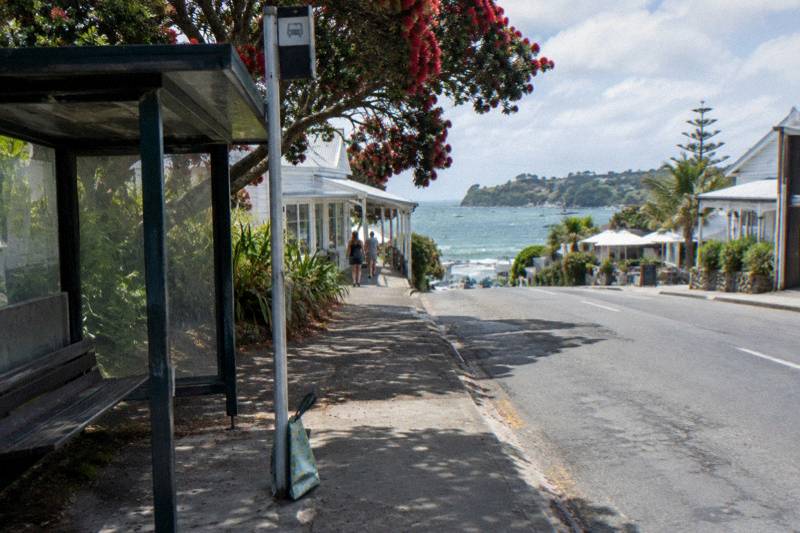
You do not need a car on Waiheke Island. A public bus network runs from the Matiatia ferry terminal through Oneroa, Ostend and Onetangi, a hop-on hop-off bus links the main vineyards, and transport-included wine tours cover everything else.
Short answer
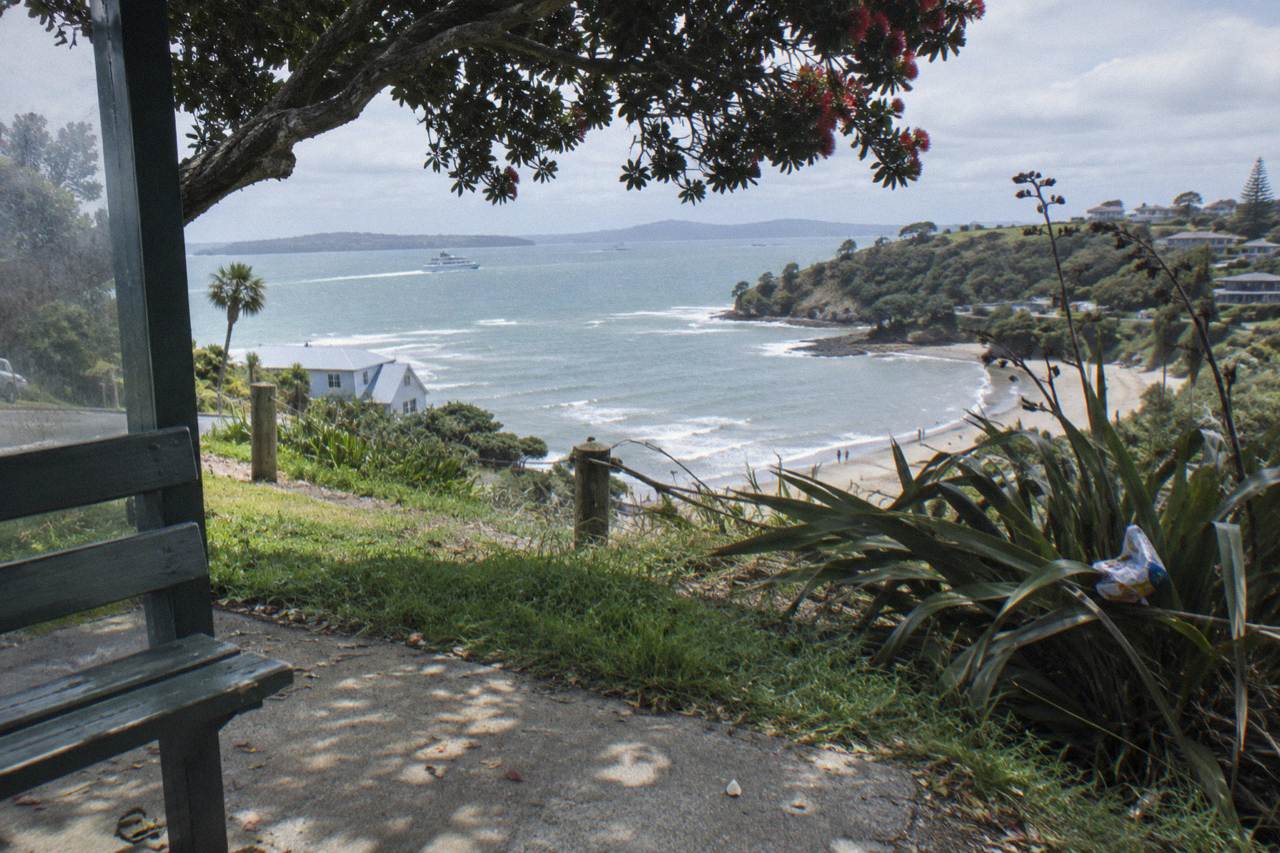
Yes, you can get around Waiheke Island without a car. Auckland Transport buses run routes 50A, 50B, 501 and 502 from Matiatia ferry terminal, an adult single-zone fare is NZ$3 by AT HOP or contactless, and the hop-on hop-off Explorer bus plus guided wine tours reach the main vineyards. Taxis and e-bikes fill the gaps.
Waiheke Island sits 17.7 km across the Hauraki Gulf from Downtown Auckland, and almost every visitor arrives as a foot passenger at Matiatia Wharf. That fact shapes the whole island. There is no vehicle ferry from the city centre that suits a day trip, and the roads between beaches and vineyards are steep, narrow and, for anyone tasting wine, legally risky to drive. The good news is that the island was effectively built for car-free visiting: a public bus network meets the ferries, a hop-on hop-off service links the western vineyards, and the biggest category of tours on the island exists precisely because visitors arrive without vehicles. This guide sets out what actually works, using only verified route, fare and listing information, and it explains where the bus network stops and a tour or taxi starts.
Can You Really Explore Waiheke Island Without A Car?
Yes, a car-free Waiheke trip works well, and most day visitors do it that way. The Auckland Transport bus network meets ferries at Matiatia and runs roughly every 15 minutes on the core corridor between Matiatia, Oneroa, Ostend and Onetangi, seven days a week, with an adult single-zone fare of NZ$3 by AT HOP or contactless payment. Beyond the buses, the Fullers360 Western Explorer hop-on hop-off service covers 16 stops on an 80-minute loop from Matiatia, and dozens of guided wine tours include all island transport. The island's steep terrain is the main constraint for cyclists and walkers, which is why tour vehicles and buses carry most visitors between cellar doors.
The village of Oneroa, the island's main retail and dining hub, sits about 3 km from Matiatia terminal, a short bus hop or a stiff 30 to 40 minute uphill-and-down walk. Onetangi Beach, the island's longest at around 2 km of sand, is on the main bus corridor. What the public bus network does not do reliably is stop at the gate of every cellar door, and several well-known vineyards sit up long driveways or on ridge roads. That gap is where the hop-on hop-off bus and the guided tour market come in, and it is why the island's tourism economy leans so heavily on transport-included products.
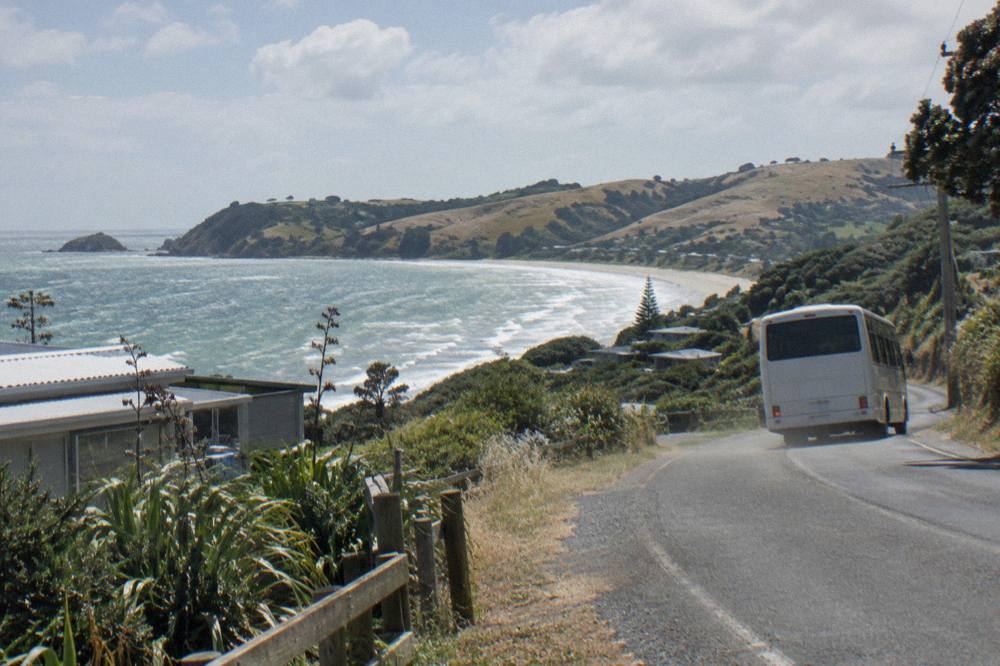
For planning purposes, treat a car-free day as a choice between three modes: the public bus for villages and beaches, the hop-on hop-off bus or a guided tour for vineyards, and a taxi for evening returns or tight connections. Each has a real cost and a real limitation, and the sections below lay out all three with the current published numbers.
The Waiheke Island Bus Network: Routes, Frequency And Coverage
Auckland Transport operates four year-round Waiheke routes, 50A, 50B, 501 and 502, plus a seasonal route 503, all run by the Waiheke Bus Company. The frequent core corridor between Matiatia Ferry Terminal, Oneroa, Ostend and Onetangi runs approximately every 15 minutes from 7am to 7pm, seven days a week, making it the backbone of car-free travel on the island. Route 501 links Kennedy Point through Surfdale and Oneroa to Matiatia, while route 502 serves Rocky Bay, Ostend, Palm Beach, Blackpool, Oneroa and Matiatia, reaching beaches the core corridor skips.
The full route picture, as printed in the AT Waiheke Island bus timetable, looks like this:
| Route | Where it runs | Notes for visitors |
|---|---|---|
| 50A | Matiatia Ferry Terminal, Oneroa, Ostend, Onetangi via Surfdale | Frequent core service, branches to Seventh and Fourth Avenues |
| 50B | Matiatia Ferry Terminal, Oneroa, Ostend, Onetangi via Surfdale | Frequent core service, paired with 50A |
| 501 | Kennedy Point, Surfdale, Oneroa, Matiatia | Connects the vehicle ferry terminal |
| 502 | Rocky Bay, Ostend, Palm Beach, Blackpool, Oneroa, Matiatia | The beach route: Palm Beach and Rocky Bay |
| 503 | Oneroa to Matiatia | Seasonal summer service only, roughly Labour Weekend to Anzac Day |
Frequency matters more than route count for a day visitor. The roughly 15-minute headway on the Matiatia to Onetangi alignment means a missed bus is a short wait, not a broken itinerary, and buses are timed around ferry arrivals in practice. The single Waiheke fare zone also simplifies things: every journey on the island is one zone, whatever its length. Timetables are published by Auckland Transport and are best checked in the AT Journey Planner or app on the day, because holiday adjustments apply, including Sunday-style timetables on public holidays.
The seasonal route 503 is worth knowing about if you visit between late October and late April, when it adds capacity between Matiatia and Oneroa. Outside that window the 50A and 50B carry the load alone. None of the public routes is a vineyard shuttle: they serve villages, beaches and residential areas, and a few cellar doors are walkable from bus stops while many are not.
For everything the fixed routes cannot do, the hop-on hop-off bus and wine tour guide covers the vineyard-transport options in detail.
Waiheke Island Bus Fares And How To Pay
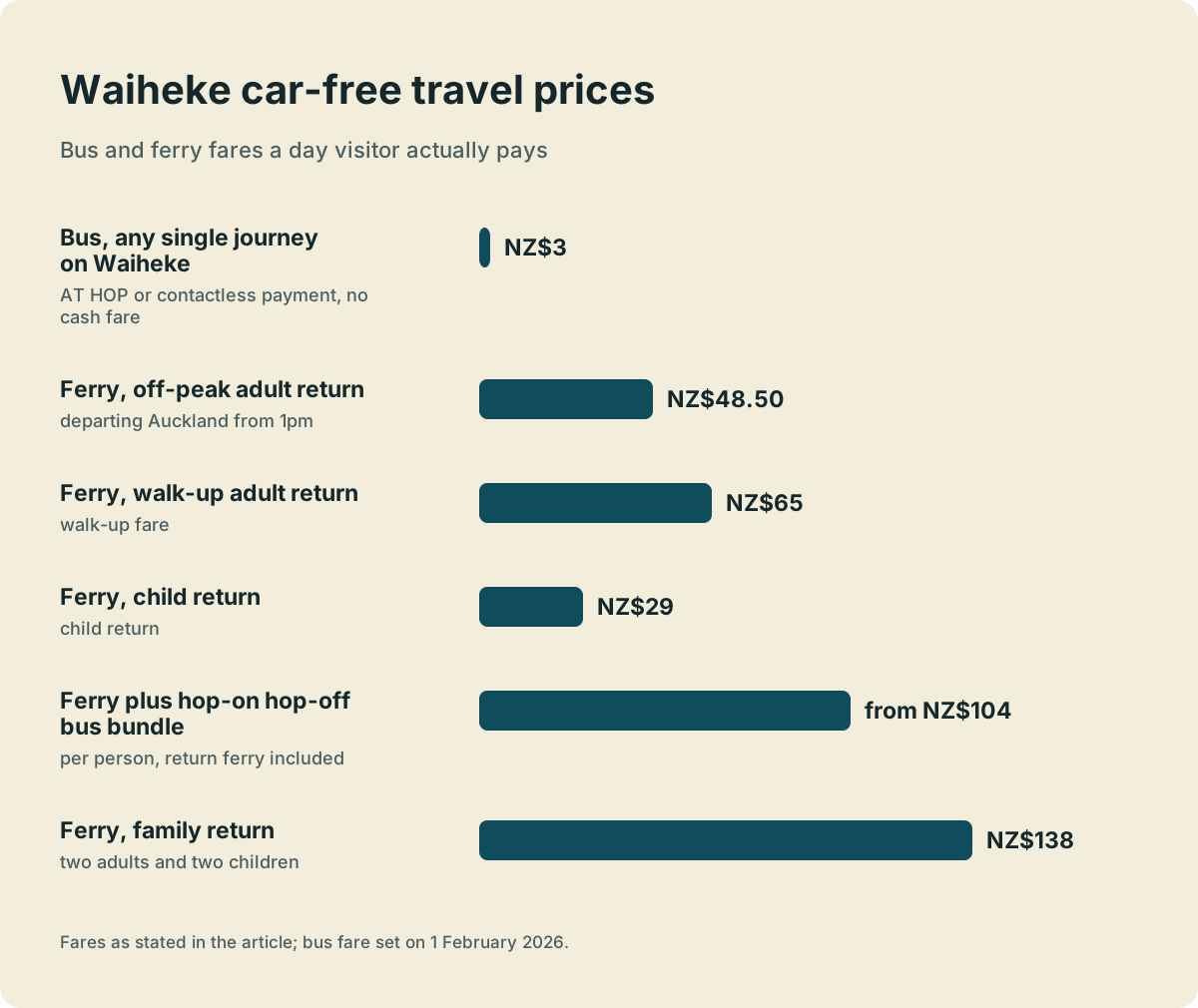
An adult single-zone bus fare on Waiheke Island is NZ$3 using an AT HOP card or contactless payment, a price set when Auckland Transport fares changed on 1 February 2026. Waiheke is a single fare zone, so that same NZ$3 adult fare covers the longest journey on the island, Matiatia to Onetangi, just as it covers a two-minute hop to Oneroa. Children and concession fares are lower, and the ferry-bus integration rule means a single-zone bus trip directly before or after a ferry journey is free for integrated ticket holders, though Fullers' own visitor tickets are excluded from that integration.
The fare structure, as printed on the Auckland Transport fare changes page, is:
| Fare type | Adult price | Notes |
|---|---|---|
| 1 zone (all of Waiheke) | NZ$3 | AT HOP or contactless, rose from NZ$2.80 on 1 February 2026 |
| 2 zones | NZ$4.90 | Mainland travel, not needed on Waiheke |
| 3 zones | NZ$6.50 | Mainland travel |
| 4 or more zones | NZ$7.90 | Mainland travel |
Payment is by AT HOP card or bank card tap; there is no cash fare on Waiheke buses, so arrive with a contactless card or a topped-up HOP card. For visitors combining the ferry with island buses, the arithmetic favours the bundled products: the Ferry and Hop-On Hop-Off Explorer Bus ticket costs from NZ$104 per person and includes both the return walk-up ferry from Downtown Auckland and an all-day hop-on hop-off bus pass covering all 16 stops, which works out cheaper than buying the NZ$65 walk-up ferry return plus separate bus fares if you plan to ride the Explorer circuit anyway. Current fares are always on the Fullers360 Waiheke page.
One more planning note on the ferry side, since almost every car-free itinerary starts there: the walk-up adult return fare is NZ$65, and departing Auckland from 1pm qualifies for the off-peak adult return of NZ$48.50, with child returns at NZ$29 and a family (two adults and two children) return at NZ$138. Our ferry timetable, fares and tickets guide works through the ticket types and the summer sailing frequency in detail.
The Hop-On Hop-Off Explorer Bus For Vineyards
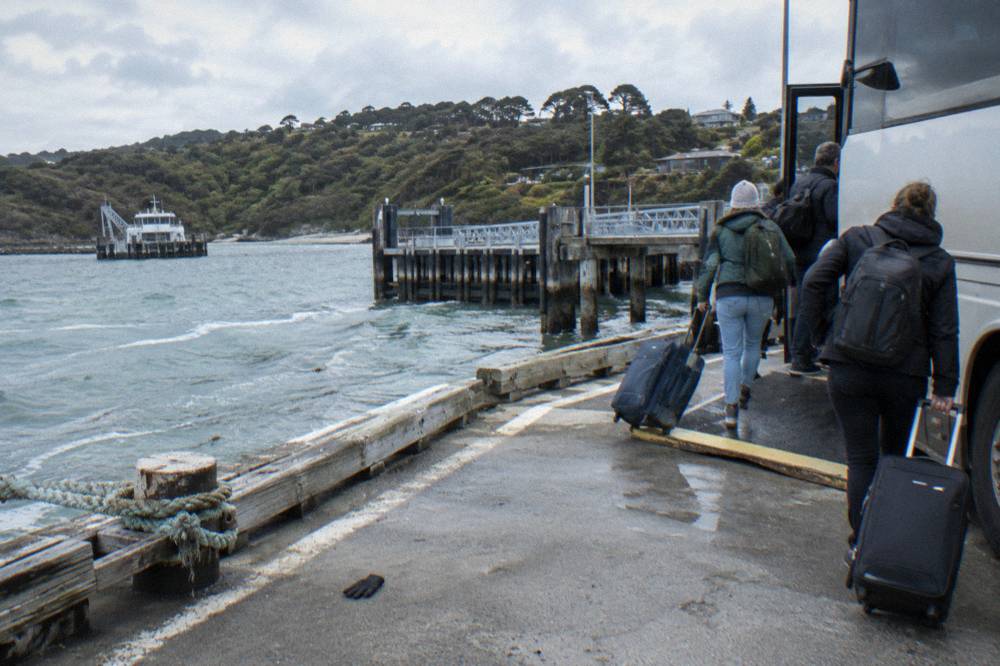
The Fullers360 Western Explorer hop-on hop-off bus departs Matiatia daily from 10am, runs a 16-stop loop in about 80 minutes, and stops at the major western vineyard names including Mudbrick, Cable Bay, Stonyridge and Batch. It is the one scheduled service designed around cellar doors rather than villages, and a bus-and-ferry bundle starts from NZ$104 per person with the return ferry ticket included. The practical rhythm of the Explorer bus settles quickly: one vineyard or viewpoint per loop., not a rushed circuit.
The Explorer solves the specific problem a public bus cannot: getting from a village stop to a ridge-top cellar door without a car. Because the loop runs all day, you choose how long to stay at each stop, whether that is a full lunch at a vineyard restaurant or a quick tasting flight and a photograph. The bus pass is valid for the full operating day, and the listing includes an on-board host for local tips plus live bus tracking through the operator's app, which removes most of the guesswork from hopping.
Two caveats keep expectations honest. First, the Explorer is a transport service, not a guided tour: wine tastings at the vineyards are paid separately on the day, and food and drinks are excluded from the ticket. Second, a fixed loop means fixed vineyards; if you want to reach producers off the western circuit, or you want commentary and tastings arranged for you, a guided tour is the better fit. The trade-off between the two is set out in our small-group versus private wine tour comparison.
Taxis, Shuttles And E-Bikes: The Gap Fillers
Taxis, shuttles and e-bikes fill the gaps on Waiheke: island-wide taxis run 24 hours with meet-and-greet services at Matiatia and Kennedy Point, and with no Uber or Ola on the island, a booked taxi or shuttle is the realistic choice for late evenings or off-route trips, while e-bikes are widely recommended for the sustained climbs between Matiatia, Oneroa, Palm Beach and Onetangi, including the 24 to 32 km Five Bays Ride. Neither mode is cheap to rely on all day, which is why most visitors use them as supplements rather than a plan.
The taxi landscape is small and practical. Waiheke Island Taxis is the longest-running operator with a 24/7 island-wide service, and several smaller operators, including Waiheke Executive Transport and Island Taxi, run shuttles and private transfers. Shuttles suit groups, especially groups that have been tasting and should not drive. No reliable published fare table exists for island taxi trips, so ask for a quote when booking rather than budgeting from a guessed figure.
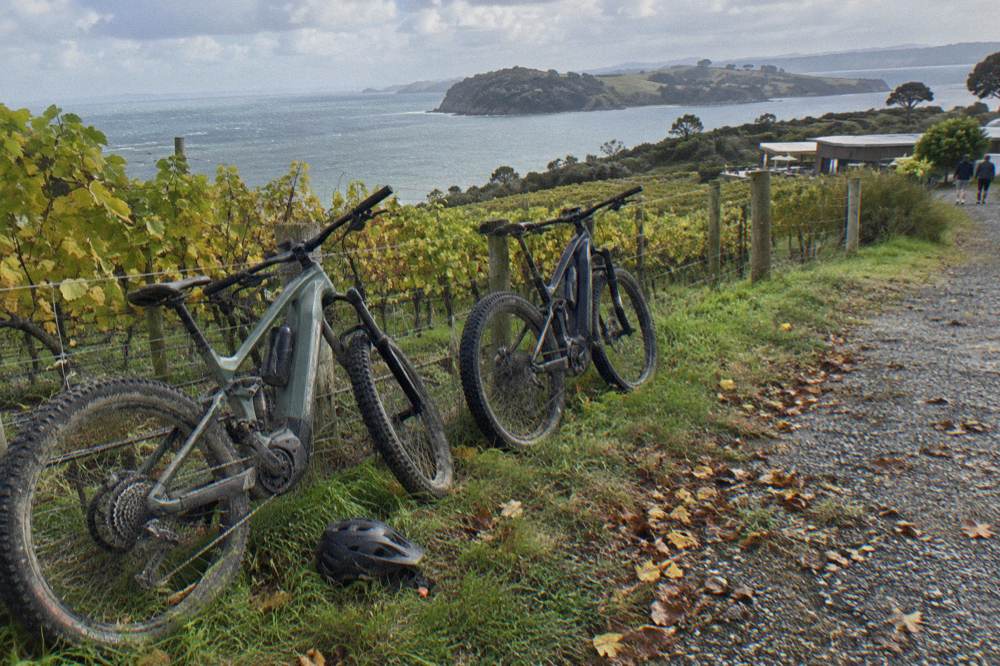
E-bikes deserve their hilly-island reputation. The premium eRide eBike experience among the island's tour options is priced from NZ$119 per person, includes a high-performance charged eBike with route maps through a guide app and a pre-ride safety briefing, and leaves vineyard tastings, food and ferry tickets as extras you pay on the day. Self-guided riders get suggested stops tailored to their plans, which is a genuine advantage on an island where a wrong turn can add a serious climb. Our bike and e-bike wine tour guide covers that option in full, including where the hills make a standard pedal bike a poor choice.
Wine Tours As Car-Free Transport
For most visitors, a guided wine tour is the simplest car-free answer, because the listing price includes the vehicle, the driver and the route between three or more cellar doors. Island-starting tours begin at Matiatia Wharf, timed to ferry arrivals, so the car-free chain is simply ferry, wharf, minivan, and everything from NZ$190 per person upward covers tastings, with many also covering lunch. The cheapest island-starting tour with tastings that we feature is the Waiheke Island Scenic Wine Tour: 3 Best Vineyards on the Island, from NZ$190 per person, rating 4.9 from 387 reviews, which includes wine tastings, a local guide, taxes and fuel, but not lunch or the ferry.
The clearest way to compare what transport each product actually bundles is to read the inclusion list rather than the tour name. The table below summarises the main formats:
| Tour format (example listing) | From (price) | Island transport | Tastings | Lunch | Ferry |
|---|---|---|---|---|---|
| Shared half-day, tastings only (Waiheke Island Half-Day Wineries Tour) | NZ$195 per person | Included | Included | Not included | Buy separately |
| Small group with lunch (Small-Group Tasting, Lunch Included) | NZ$299 per person | Included, pickup on island | Included at 3 vineyards | Included | Buy separately |
| Small group with pickup (Wine and Scenery, Pickup Included) | NZ$250 per person | Included, pickup from island accommodations | Included at 3 vineyards | Not included | Buy separately |
| Auckland departure with lunch (Wine-Tasting Tour, Lunch From Auckland) | NZ$290 per person | Included | Included at 2 vineyards | Included | Buy separately |
| Private custom (Private and Customizable Wineries Tour) | NZ$790 per person | Included, private vehicle | Premium tastings at up to 3 vineyards | Included | Buy separately |
Two patterns stand out. Nearly every island tour excludes the ferry ticket, so car-free visitors book the crossing separately or choose one of the few Auckland-departure products where the meeting point is the Auckland Ferry Terminal. And pickup varies tour by tour: the Wine and Scenery Tour with Wine Tastings, 4.9 from 133 reviews, lists pickup and drop-off from Waiheke Island accommodations only, while the Small-Group Tasting, Lunch Included tour lists pickup from island accommodation or the ferry terminal. Where a tour's pickup is not stated, assume a Matiatia meeting point and check the live booking page.
The Wine and Scenery tour suits the car-free visitor staying on the island overnight, since accommodation pickup removes even the walk to the wharf. One guest review on the listing sums up the experience: "Nicky was awesome, just as everyone said she would be. We tasted wine three wineries and also had a wonderful lunch at Batch winery. Nicky taught us so much about the island and its history and the people." That combination of transport, guide and arranged tastings is exactly what the public bus network cannot deliver.
For day visitors from Auckland, the Auckland-departure products shift the meeting point to the city ferry terminal, which simplifies a car-free day further. The From Auckland wineries tour, 4.7 from 1,024 reviews, runs from NZ$185 per person, includes pick-up at the Waiheke ferry terminal, island transport, an expert guide and tastings at four or more vineyards, with the ferry pass and lunch as exclusions.
Drink-Driving Rules: Why Tasting Days Need A Driver
New Zealand's legal limit for drivers aged 20 or over is 250 micrograms of alcohol per litre of breath, or 50 mg per 100 mL of blood, and drivers under 20 may not drive with any alcohol at all. Police can test at the roadside, and a standard tasting session at three cellar doors would put a driver over the limit, which is the single strongest argument for buses, tours and taxis on a wine-focused Waiheke day. The rules are published by NZTA Waka Kotahi, the national transport agency, and they apply to visitors on foreign licences exactly as they do to residents.
This is the honest reason the island's tour market is as large as it is. A tasting flight is not a sip; the Mudbrick cellar door, for instance, lists tasting flights of five wines at NZ$10 standard and NZ$15 premium, and Stonyridge pours tastings seven days from 11:30am to 5pm with no free tasting option. Three cellar doors in an afternoon is a full tasting programme by any standard. Handing the wheel to a tour driver, a bus or a taxi operator converts that programme from a legal risk into a relaxed day out, and it is why the car-free options in this guide are not a compromise but the normal way to visit.
The legal purchase age for alcohol is 18, and the Waiheke Wine Growers Association site runs an over-18 gate before showing cellar door pages, a reminder that tasting venues take age checks seriously. Bring ID if you look young.
A Sample Car-Free Day: Bus, Ferry And Tour Combined
A workable car-free day combines all three: ferry over to Matiatia, a morning guided tour or the hop-on hop-off bus around the vineyards, then the 50A or 50B back through Oneroa by late afternoon, with a taxi booked for the evening ferry if timing gets tight. Every leg is a scheduled or listed service with a published price, so nothing depends on renting a vehicle. Visitors staying overnight gain accommodation pickup on the listings that offer it, which removes even the wharf walk.
A rough cost picture for one adult, using published figures:
| Leg | Option | Published price |
|---|---|---|
| Auckland to Waiheke return | Walk-up adult ferry return | NZ$65 |
| Auckland to Waiheke return, afternoon out | Off-peak adult return (Auckland departure from 1pm) | NZ$48.50 |
| Villages and beaches all day | AT bus, single zone, AT HOP or contactless | NZ$3 per trip |
| Vineyard circuit | Explorer bus bundled with return ferry | from NZ$104 per person |
| Vineyards with guide and tastings | Shared half-day tastings-only tour | from NZ$195 per person |
| Vineyards with guide, tastings and lunch | Small-group tour with lunch | from NZ$299 per person |
| Evening or off-route trips | Booked taxi or shuttle | Quote on booking |
The cheapest full vineyard day is the hop-on hop-off bundle plus tasting fees paid on the day; the most complete is a lunch-included small-group tour. In between, the free options fill the margins: Onetangi and Oneroa beaches, the Matiatia Owhanake coastal loop from the ferry terminal, and Ostend Market on Saturday mornings all cost nothing to enter, and our free things to do on Waiheke Island guide lists them. Pairing one paid transport product with the free beaches and tracks is how many visitors keep a two-day car-free stay inside budget.
For a fuller itinerary, whether one day or two, see the Waiheke day trip from Auckland guide and the companion piece on how many days you actually need.
The pattern across all of this is simple: Waiheke rewards visitors who book one transport-included product and let the public bus handle the rest. Between the Waiheke Wine Tours range of guided options, the Explorer bundle and a NZ$3 bus network, a car is the one thing you genuinely do not need here.
Common Questions About Getting Around Waiheke Island Without A Car
Can you get around Waiheke Island without a car?
Yes. Auckland Transport buses run routes 50A, 50B, 501 and 502 from Matiatia ferry terminal across the island roughly every 15 minutes on the core corridor from 7am to 7pm, seven days a week, at an adult fare of NZ$3 per single-zone trip. The hop-on hop-off Explorer bus and guided wine tours cover the vineyards, and taxis run island-wide.
How much is the Waiheke Island bus?
An adult single-zone fare is NZ$3 using an AT HOP card or contactless payment. Waiheke is one fare zone, so the longest island journey costs the same as the shortest. Fares were set on 1 February 2026, when the one-zone adult fare rose from NZ$2.80.
Does the bus on Waiheke go to the wineries?
The public bus network serves villages, beaches and residential areas rather than cellar doors. For vineyards, the Fullers360 Western Explorer hop-on hop-off bus runs a 16-stop, 80-minute loop from Matiatia from 10am daily, stopping at Mudbrick, Cable Bay, Stonyridge and Batch, and guided wine tours include transport between three or more producers.
Is there Uber on Waiheke Island?
No. There is no Uber or Ola service on the island. Local taxi operators, including a long-running 24/7 island-wide service, meet ferries at Matiatia and Kennedy Point, and shuttles can be booked in advance, which matters for evening returns.
Can I drink wine and drive on Waiheke Island?
Not safely or legally after tasting. Drivers aged 20 or over are limited to 250 micrograms of alcohol per litre of breath, or 50 mg per 100 mL of blood, and drivers under 20 cannot drive with any alcohol at all. Police can test at the roadside, so use a tour, the bus or a taxi on tasting days.
Do Waiheke wine tours include the ferry?
Most do not. Almost every island-starting tour meets at Matiatia Wharf and excludes the ferry ticket, which you buy separately. Departing from Auckland does not guarantee a ferry ticket. The bundles are the Explorer bus ticket with ferry, the private Fullers360 ferry, lunch and bus pass trip, and, per its listing, the sommelier tour.