Can You Take A Car To Waiheke Island?
Yes, you can take a car to Waiheke Island, but only on the SeaLink vehicle ferry from Half Moon Bay or Wynyard Quarter. Here is how it works, what it costs in time, and why most wine visitors skip the car.
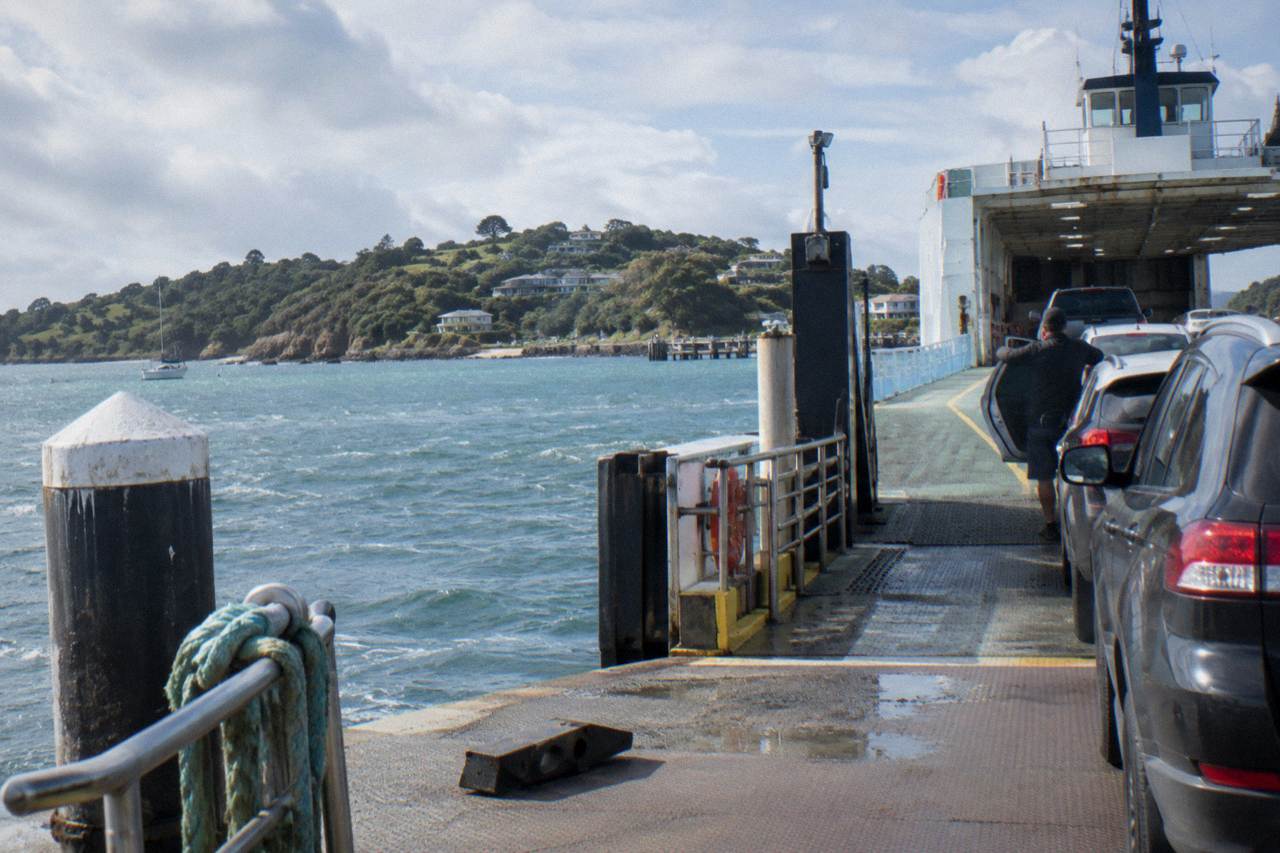
You can, and a small but steady stream of visitors does it every day. The catch is that only one operator runs a vehicle ferry, the crossing uses a different terminal from the fast passenger boats, and once you are on the island the thing most people come for, wine tasting, is the one thing your designated driver cannot do. The SeaLink vehicle ferry is the only drive-on, drive-off service to Waiheke, arriving at Kennedy Point from Half Moon Bay in East Auckland or Wynyard Quarter in the city, with a crossing of about 60 minutes. Advance booking is required, and vehicle spaces can sell out in summer, as the operator's own notices state. For a wine-focused day, a guided option such as the Wine and Scenery Tour with Wine Tastings sidesteps the whole problem, and this article walks through both paths.
It is worth being honest about who this question belongs to. If you are renting a holiday house for a week, ferrying a family and a boot full of groceries, the car is a tool and the vehicle ferry is simply part of the trip. If you are flying into Auckland for two nights and planning a single big wine day on the island, the car is mostly a liability you are paying to import. Most people comparing the wine tours featured here sit in the second group, so the article leans that way. The mechanics of the crossing, though, are the same for everyone.
Can You Take A Car To Waiheke Island?
Yes, you can take a car to Waiheke Island, but only on the SeaLink vehicle ferry, which sails to Kennedy Point from Half Moon Bay or Wynyard Quarter and takes about 60 minutes. It is the only drive-on, drive-off service to the island, it requires advance booking, and vehicle spaces can sell out in summer. Foot passengers cross separately on the fast Fullers360 boats from Downtown Auckland to Matiatia in roughly 40 minutes.
The two-ferry structure surprises people who assume one boat does everything. The Fullers360 passenger fleet, up to 50 sailings a day on the walk-up service between Matiatia and Downtown Auckland, carries people only, and it departs from Piers 11 and 12 at the Downtown Ferry Terminal on Quay Street. SeaLink is a separate operation entirely: it loads cars, bikes and foot passengers at Half Moon Bay in East Auckland or Wynyard Quarter near the city centre, and lands them at Kennedy Point on Waiheke's southern side. The operator states advance booking is required for vehicles, and that summer vehicle spaces sell out, so a spontaneous drive-on crossing in January is a gamble rather than a plan.
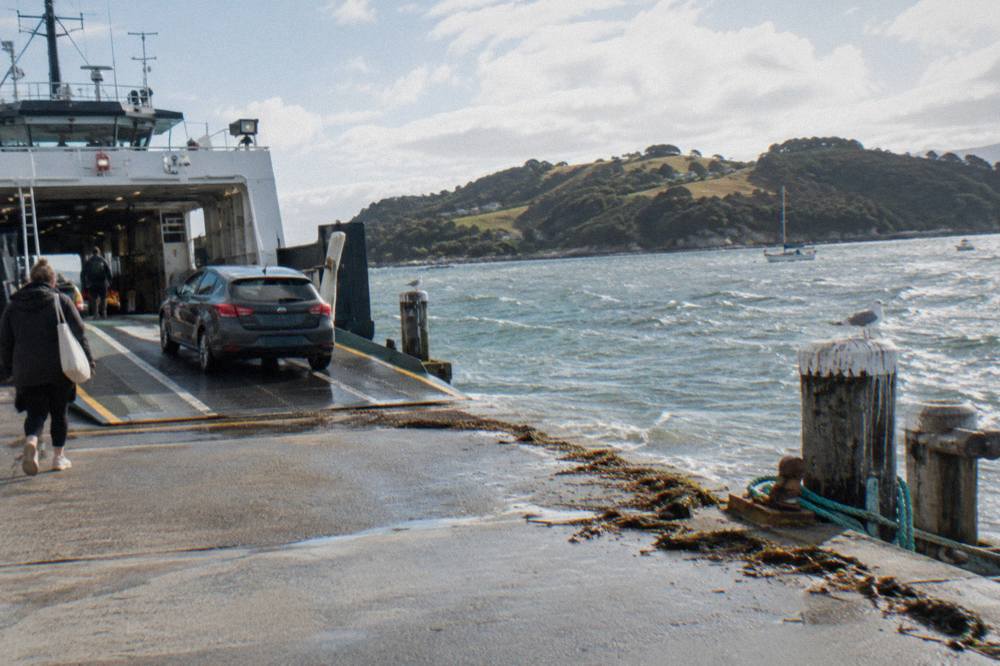
What the car genuinely buys you is freedom at the edges of the island. Public buses concentrate on the Matiatia, Oneroa, Ostend and Onetangi corridor, and several of the smaller cellar doors sit down long, winding, sometimes unsealed roads where a bus does not go. A car also lets you carry a picnic, a dog crate or a week's groceries, which matters more for a holiday-cottage stay than for a day trip. Against that, you are booking two crossings, thinking about parking at each winery, and appointing one adult in the car as the non-taster for the day.
The seasonal shape of the island matters here too. The Auckland tourism guide describes summer as the period of full operations and the highest crowds, with ferries, winery visits and accommodation needing bookings well ahead, and winter as quiet, with better availability and more spontaneity. SeaLink's own notices describe a reduced winter sailing schedule running from early May to mid-October. Put together, that means the car crossing is both scarcest and most in demand exactly when most visitors want the island, and easiest to arrange exactly when the cellar doors have shortened their hours. Neither fact argues against the car by itself, but both argue for booking the crossing before you book anything else.
How Does The Vehicle Ferry To Waiheke Work?
The SeaLink vehicle ferry is the only car crossing to Waiheke Island, sailing from Half Moon Bay or Wynyard Quarter to Kennedy Point in roughly 60 minutes. You book in advance, arrive with time to queue at the ramp, and the operator warns that vehicle spaces can sell out in summer. Foot passengers and bikes are also carried, but the fast passenger service from Downtown Auckland is a different operator and terminal.
Kennedy Point sits well south of the main village strip, so a car arrival puts you a short drive from Oneroa and its surrounds, a different orientation from the Matiatia wharf most day-trippers step onto. Sailing times vary by season, and SeaLink runs a reduced winter schedule, so the specific timetable you get in February will not resemble July's; the operator's site is the place to confirm a date before you commit to accommodation or a tasting booking. Bikes travel on the vehicle ferry too, which is how some cyclists bring their own rather than hiring on the island, a point our Waiheke bike and e-bike wine guide covers in detail.
Wynyard Quarter departures suit travellers staying in the city centre without wanting to drive across Auckland to East Auckland's Half Moon Bay, which shaves a highway leg off the trip. Nothing about the crossing is scenic-compulsory, either: on a blustery day the Hauraki Gulf can be lively.
Worth asking before you book: does anyone in the car actually want to drive? If the answer is no, the passenger ferry plus a tour or bus combination delivers the same vineyards with none of the logistics, and the question of whether you need to book the Waiheke ferry in advance answers itself differently for a walk-up adult foot passenger than for a car and driver. A foot passenger can decide on the quay; a car and driver cannot. That single difference in flexibility, more than any fare line, is what pushes day-trippers onto the passenger boats and leaves the vehicle ferry to the island's longer-stay visitors and residents.
What Are The Drink-Driving Rules Once You Have The Car There?
Drivers aged 20 or over in New Zealand may not exceed 250 micrograms of alcohol per litre of breath, or 50 mg per 100 mL of blood. Drivers under 20 may not consume any alcohol at all before driving. Police can test at the roadside, and these limits apply on Waiheke's roads exactly as on the mainland. In practice, that means the driver of your wine-day car tastes nothing.
That is the sentence that should sit at the centre of every car-versus-tour decision on this island. A cellar-door tasting flight is typically several small pours, and a tour that visits three vineyards stacks a dozen or more tastes across an afternoon. Under the limits published by the NZ Transport Agency, the person holding the keys has to decline all of it, or spit everything and wait hours, which is not most people's idea of a Waiheke afternoon.
| Situation | Legal position | Practical reading for a wine day |
|---|---|---|
| Driver aged 20 or over | No more than 250 micrograms per litre of breath, 50 mg per 100 mL of blood | Tasting portions count; the safe choice is zero |
| Driver under 20 | No alcohol at all | Cannot taste at any stop |
| Roadside testing | Police can test any driver, any time | Island roads are not exempt |
| Passengers | Limits apply to drivers only | Passengers can taste freely |
The island's narrow, hilly roads add their own argument. Bends are frequent, shoulders are rare, and summer brings pedestrians, cyclists and tour vans onto the same ribbons of seal. Add a driver managing splits between tasting stops and it becomes obvious why the guided-tour sector exists here at the scale it does: someone local, sober and familiar with the roads takes the wheel, and everyone in the vehicle tastes. That is the entire premise of the small-group format, and the reason our small group versus private wine tours comparison spends so little time on self-drive as an option.
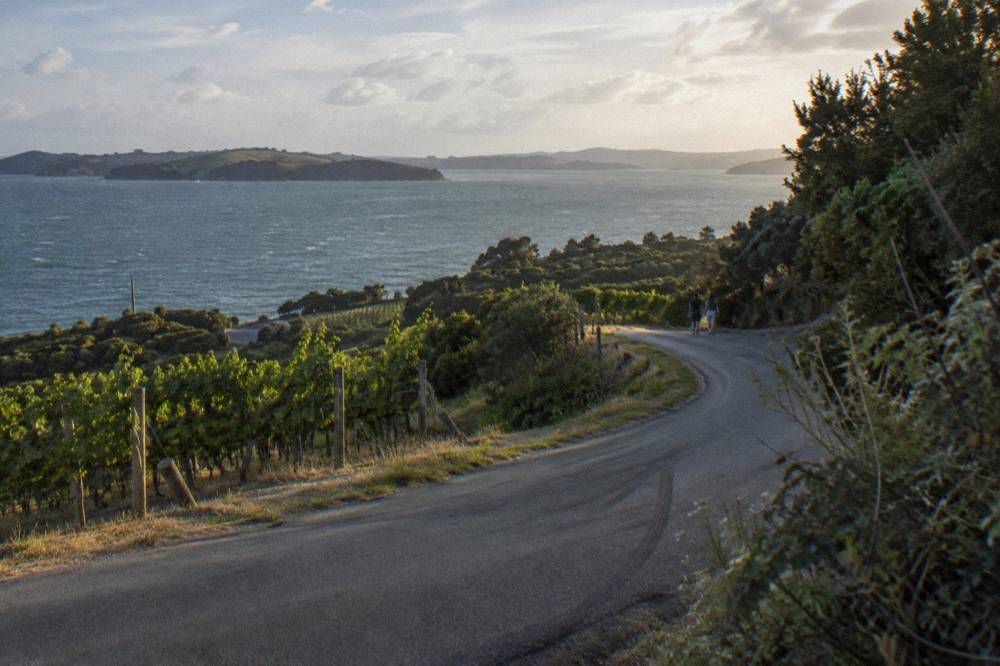
There is also a rhythm problem that the law creates indirectly. A self-drive wine day tends to compress: because the driver cannot linger over a flight, the group rushes each cellar door, and the day becomes a shuttle run between tasting counters rather than a long lunch with a view. Guided tours deliberately build the opposite shape, with set menu lunches and platters written into their inclusions. The Small-Group Wine Tasting Tour lists a shared platter style lunch plus a glass of wine or a main; the Scenic Wine Tour with Lunch names a set menu at Three Seven Two with a glass of wine included. The wine region rewards slowness, and the driver's legal limit quietly forbids it.
Is A Car Actually The Best Way To See Waiheke Wineries?
For most wine visitors, no. The car wins only when your group includes a committed non-drinking driver and you want remote cellar doors, a flexible schedule, or multi-day exploring. Tours, the hop-on hop-off bus and public buses cover the main vineyard corridor, and they let every adult in the party taste. On a single wine day, the guided formats beat self-drive on both logistics and legality.
Run the arithmetic on a couple. The Wine and Scenery Tour with Wine Tastings, operated by WaiTiki Tours, runs about 6 hours from NZ$250 per person, includes tastings at three boutique vineyards, and pickup from Waiheke accommodations is stated on the listing; it rates 4.9 from 133 reviews. A guest review on the listing sums up the appeal: "We tasted wine three wineries and also had a wonderful lunch at Batch winery. Nicky taught us so much about the island and its history and the people. Everyone we met was so kind and patient. Highly recommend this tour and Nicky." Two people pay from NZ$500 total, taste at every stop, and never open a road-code pamphlet.
The bus-plus-boat option undercuts everything. The Ferry and Hop-On Hop-Off Explorer Bus ticket from Fullers360 starts at NZ$104 per person, includes the return walk-up ferry from downtown Auckland and a bus pass valid for the full operating day across 16 stops, with an on-board host and live bus tracking; it rates 4.6 from 3,914 reviews. You trade guided commentary at the cellar door for total control of timing, and the Western Explorer runs daily from 10am from Matiatia on an 80-minute loop that serves the winery-dense western side of the island, with Mudbrick, Cable Bay, Stonyridge and Batch named among its stops.
And for groups who want the privacy of their own vehicle without anyone driving sober, there is a middle path. The Private Half-Day Tour by 4-Wheel-Drive Vehicle, run by Waiheke Freedom Tours, is a private tour for your group only in a spacious luxury 4WD with a local guide, from NZ$550 per person for about 6 hours, rating 4.9 from 17 reviews. Tastings are paid as you go, which the listing frames as freedom of choice, and a reviewer notes of the guide, "He’s open to deviating from the schedule as the group feels too!". You get a car, a driver, and a schedule that bends. The listing also includes chilled water, beach towels, a picnic blanket and umbrellas, small comforts that a self-drive day makes you pack yourself.
Can You Explore Waiheke Without A Car At All?
Yes, and it is the default for day-trippers. The passenger ferry lands at Matiatia, the hop-on hop-off bus loops the western wineries from outside the terminal, public buses link Matiatia, Oneroa, Ostend and Onetangi, and guided tours collect guests at the wharf or their accommodation. Every vineyard a first-time visitor has heard of is reachable without keys.
The car-free route is not a compromise version of the island; it is the version most people experience. Step off at Matiatia and the decision tree is short. Take the Explorer bus if you want to self-pace between named vineyard stops. Take a guided tour if you want tastings, commentary and a set itinerary handled. Use the public bus network if your day mixes beaches and villages with a cellar door or two, a plan our getting around Waiheke without a car guide maps out stop by stop. Even the walking option is real: the Matiatia headland track starts at the ferry terminal itself, and some visitors walk a loop before their first tasting.
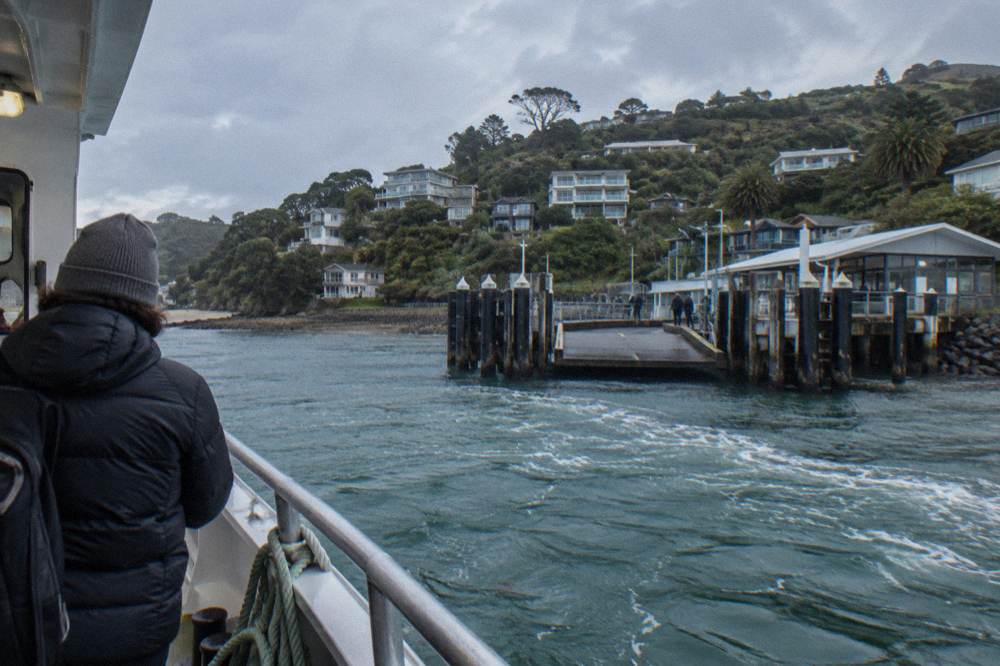
Tours that begin at Matiatia Wharf state it plainly in their meeting details. The Small-Group Wine Tasting Tour from The Wine Tasting Company, from NZ$299 per person for 5 hours 30 minutes, includes lunch and pickup from your accommodation on Waiheke Island or the ferry terminal, rating 4.9 from 82 reviews. The Half-Day Wineries Tour from Waiheke Wine Tours Ltd, from NZ$195 per person for 5 hours, is the tastings-only budget entry at 4.9 from 387 reviews. The Flavours Tour from Waiheke Island Wine Tours, from NZ$335, adds olive oil and beer or spirits tastings to the vineyard stops for a maximum of 11 clients. None of these requires a car, a parking spot, or a sober driver.
The one caveat worth stating is distance between stops. The island is hillier than the ferry-brochure photos suggest, and walking between distant cellar doors is not realistic in a single day; our piece on whether you can walk to wineries on Waiheke covers which clusters are actually walkable. Car-free works because the buses and tours do the climbing for you, not because the vineyards sit shoulder to shoulder. Plan a geographic thread, Onetangi or the western ridge, rather than scattering stops across opposite ends of the island.
What Should You Actually Do: Car, Bus Or Tour?
Bring the car only for a multi-day stay with a non-tasting driver, or for reaching accommodation and remote beaches. For a one-day wine trip, book a tour or the bus-plus-ferry ticket: everyone tastes, nothing needs advance vehicle booking, and the island's hills and pour sizes stop being a legal calculation. If your visit is built around wine, let the guided formats carry the day.
The honest framing is that the car question and the wine question pull in opposite directions. The car maximises geography, the tour maximises the tasting room, and the bus lands in between with the lowest price of the three. A family hauling beach gear to a rented house for a week has a strong case for the Kennedy Point crossing. A couple flying in for one Saturday of Syrah and sea views has an equally strong case for never sitting in a driver's seat at all. As a planning site, Waiheke Wine Tours exists because the second case is far more common, and because the range of guided options on the island is wide enough that the no-car answer rarely costs anyone the vineyards they came for.
| Option | Best for | Ballpark cost basis | The trade |
|---|---|---|---|
| Vehicle ferry plus your car | Multi-day stays, remote cellar doors, a committed non-drinking driver | Vehicle crossing booked in advance via SeaLink; fares on the operator's page | Driver tastes nothing; summer spaces sell out |
| Hop-on hop-off bus with ferry | Budget, self-paced day trips | From NZ$104 per person including return walk-up ferry | No guided tastings; fixed stop list |
| Small-group or shared wine tour | One-day wine trips, everyone tasting | From NZ$195 to NZ$360 per person depending on inclusions | Set itinerary, fixed departure window |
| Private 4WD tour | Groups wanting a car feel without driving | From NZ$550 per person, tastings paid as you go | The premium price of a private guide |
Whichever you choose, the sequencing matters. Book the tour or the bus ticket first, because both are date-bound, then the ferry, then any cellar-door lunch stop, since several vineyard restaurants run set menus that prefer notice. The car itinerary inverts: the vehicle crossing is the scarce item in summer, so it books first and everything else fits around its timetable. And if a shoulder-season month tempts you, the Auckland tourism guide's own framing calls autumn a "sweet spot" of milder days and thinner crowds, which pairs nicely with an island that is easier to move around when the summer rush has gone. Winter, in the same guide's wording, is quieter still, with some cellar doors shifting to reduced hours, so a cold-month car trip trades crowds for shorter opening days.
Common Questions About Taking A Car To Waiheke Island
Can You Take A Car To Waiheke Island?
Yes. SeaLink runs the only vehicle ferry to the island, from Half Moon Bay or Wynyard Quarter to Kennedy Point, taking about 60 minutes. Advance booking is required and vehicle spaces can sell out in summer.
Does the passenger ferry to Waiheke carry cars?
No. The fast Fullers360 service between Downtown Auckland and Matiatia carries foot passengers only. Vehicles must use the separate SeaLink crossing to Kennedy Point.
Can the driver drink at all on a Waiheke wine day?
Drivers aged 20 or over are limited to 250 micrograms of alcohol per litre of breath, or 50 mg per 100 mL of blood, and drivers under 20 may not drink at all. Police can test at the roadside, so the sensible choice for a tasting day is a zero-alcohol driver or a guided tour.
Is a car needed to reach the wineries?
No. The hop-on hop-off bus serves the main western winery stops from Matiatia, public buses link the main villages, and guided tours include transport. A car mainly helps with remote cellar doors and multi-day stays.
Do I need to book the vehicle ferry ahead?
Yes, the operator requires advance booking for vehicles, and warns that spaces can sell out in summer. Winter runs a reduced schedule, so confirm your date on the operator's page.
Where does the car ferry arrive on Waiheke Island?
At Kennedy Point, on the island's southern side, separate from the Matiatia passenger wharf. From there it is a short drive to Oneroa and the island's main villages before you head out to the vineyards.