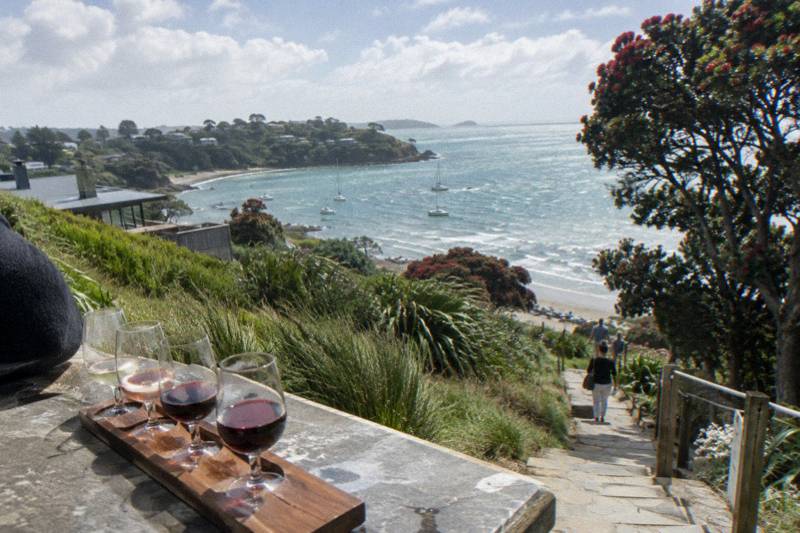
What Is So Special About Waiheke Island?
The facts behind Waiheke Island's reputation: 30 growers, 216 planted hectares, two Michelin stars, free beaches and a 40 minute ferry crossing from Auckland.
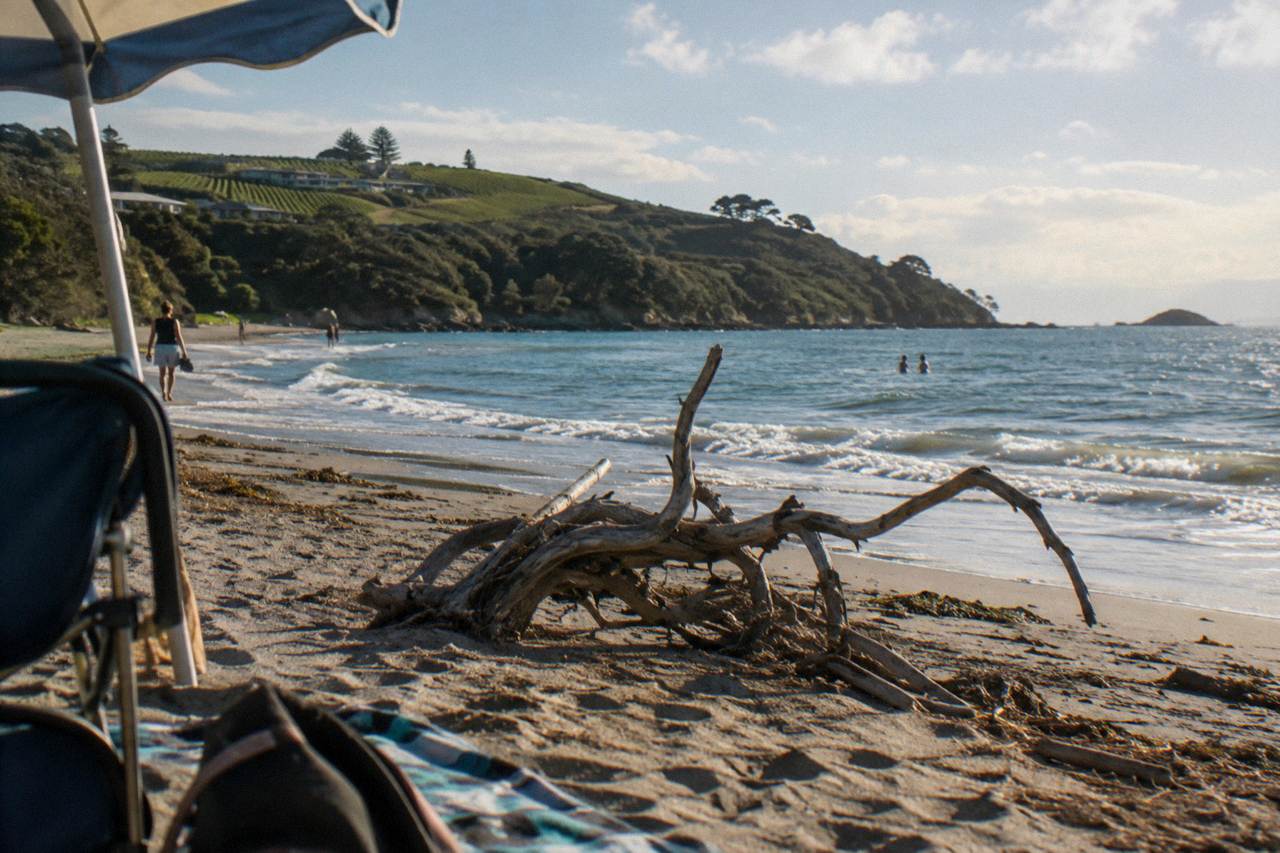
Waiheke Island is a 9,310 person island in the Hauraki Gulf where 30 growers farm 216 hectares of vines on hills that fall into the sea, and where a full day of wine, beaches and bush begins with a ferry crossing of roughly 40 minutes from downtown Auckland. That combination is the short answer. An island that size should not hold a serious wine region, two Michelin starred restaurants and more than 100 kilometres of walking tracks, yet the official numbers say it does.
The winegrowers' association describes Waiheke as a boutique region of around 30 growers, and the island's dry, sunny microclimate suits full bodied reds: 57 percent of the wine produced is red, with Merlot at 19 percent and Syrah at 18 percent. Mudbrick and Tantalus Estate each collected one Michelin Star in New Zealand's first Michelin Guide, announced in June 2026. Meanwhile Onetangi Beach alone runs to roughly 2 kilometres of sand, and the beaches, the tracks and the Saturday Ostend Market all cost nothing to enter.
What that means for a visitor is choice. You can arrive at Matiatia Wharf and join a guided small group tour that carries you between cellar doors, hop on the Explorer bus and invent your own route, or walk the Matiatia Owhanake coastal loop from the ferry terminal itself. The trio below covers the three broad ways people do it: a full food and wine tour with lunch, the ferry and hop-on hop-off bus combination, and a guided bush hike that ends in wine.
How Close Is Waiheke Island To Auckland?
Waiheke sits about 40 minutes by ferry from downtown Auckland, a crossing of 17.7 kilometres from the Downtown Ferry Terminal's Piers 11 and 12 to Matiatia, with some services via Devonport adding around 10 minutes. That short distance is the core of the island's appeal: a wine region, beaches and walking tracks sit inside an easy day trip of the country's largest city.
The Fullers360 Waiheke Walk-up service runs up to 50 sailings a day between Matiatia and downtown Auckland, operating from 6am on weekdays and from 7am on weekends and public holidays. Fares after the 12 October 2026 changes: the adult walk-up return is NZ$65, the off-peak adult return is NZ$48.50 for departures from Auckland from 1pm, the child return is NZ$29 and a family of two adults and two children pays NZ$138. Always treat those as "from" figures and check the operator's page for the fare on your travel date.
For summer 2026-27, Fullers360 has added more than 1,600 extra sailings compared with the previous summer, with 30 minute frequencies at peak times from 19 October 2026 and 20 minute frequencies at the busiest times from 30 November 2026 to 28 February 2027. The practical effect is that the island stops feeling remote precisely when the weather turns warm, which is also when the cellar doors are at their fullest.
One point that catches visitors out: almost every guided wine tour starts on the island, at Matiatia Wharf, and the ferry ticket is bought separately. The exceptions are few. Among the tours featured here, the Auckland departure wine and lunch tour from Fullers360 and the private sommelier tour handle the crossing differently, and the hop-on hop-off Explorer bus ticket bundles the return ferry with the bus pass. For everything else, the ferry is your own errand, and off-peak departures from Auckland from 1pm are the cheapest way to make it.
Want someone else to handle the day while you sit back after the crossing? The gourmet food and wine tour below meets you on the island and carries you from vineyard to olive oil estate to lunch without a timetable decision of your own.
Why Is Waiheke A Wine Island?
Waiheke grows wine because of where it sits: a warm, dry gulf climate that ripens Bordeaux style reds and Syrah on 216 hectares planted among 30 growers, according to the Waiheke Winegrowers Association. Reds make up 57 percent of production, with Merlot at 19 percent and Syrah at 18 percent, while Chardonnay leads the whites at 16 percent. The island is small, so production stays boutique by necessity.
The association's own figures describe the region: 216 hectares across 30 growers, around half of them with public cellar doors. The varietal spread tells you what to taste when you arrive. Merlot and Syrah dominate the reds, and the region has built its name on Bordeaux style blends of Cabernet Sauvignon, Merlot and Cabernet Franc, with Northern Rhone style Syrah as the second pillar. Among whites, Chardonnay at 16 percent, Sauvignon Blanc at 12 percent and Pinot Gris at 10 percent round out the plantings.
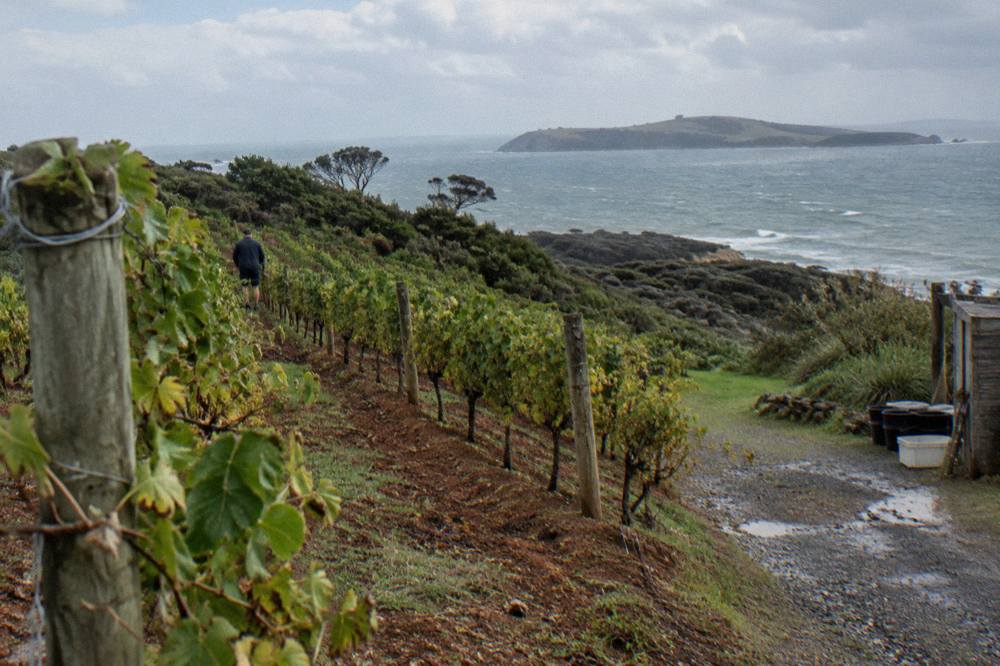
The association notes the island has also branched into award winning Syrahs over roughly the past decade and has increased its white varietal plantings in the last two years. Te Motu, established in 1989 by the Dunleavy family, is the island's oldest winery still run by its founding family, and its Bordeaux style focus is a reminder of how consistent the region's identity has been.
For visitors, the figures point to a simple planning reality: cellar door tastings are not free. The amounts the official association pages print are Stonyridge at NZ$10 per person for its weekend vineyard tour with two tastings, and Mudbrick with two tasting flights of five wines at NZ$10 standard and NZ$15 premium. Tasting inclusions on guided tours vary by listing, so the details each tour lists as included decide what you pay on the day.
| What Waiheke grows | Share of production | What it means for tasting |
|---|---|---|
| Red wine overall | 57% | Reds are the island's signature; most flights lead with them |
| Merlot | 19% | The backbone of the Bordeaux style blends |
| Syrah | 18% | The region's second pillar, Rhone in style |
| Chardonnay | 16% | The leading white |
| Sauvignon Blanc | 12% | A growing white presence |
| Pinot Gris | 10% | Common on tasting flights |
The deep dive on the varieties themselves, and which cellar doors pour them, lives in our guide to Waiheke's wine varieties and the Waiheke Island wine tasting guide.
What Are The Beaches And Free Sides Of The Island?
Onetangi Beach runs to roughly 2 kilometres of golden sand and Oneroa Beach offers another wide free stretch, while more than 100 kilometres of walking tracks loop the island through the Te Ara Hura network. The beaches, the tracks and the Saturday Ostend Market all cost nothing to enter. Wine is what people come for, but the free layer of the island is what fills the rest of a day.
The Matiatia Owhanake coastal loop starts directly at the ferry terminal, a moderate circuit of roughly 7.7 to 9 kilometres taking 2.5 to 3 hours, with tide dependent coastal sections. The Church Bay circuit is a moderate coastal walk of about 3 hours with gulf views and vineyard edges. The Rangihoua wetland path is a flat, easy 2.6 kilometre circuit of about an hour starting at the Waiheke Historical Village and Museum. Quieter still, Hekerua Bay is a pebble beach reached on foot from the Oneroa side.
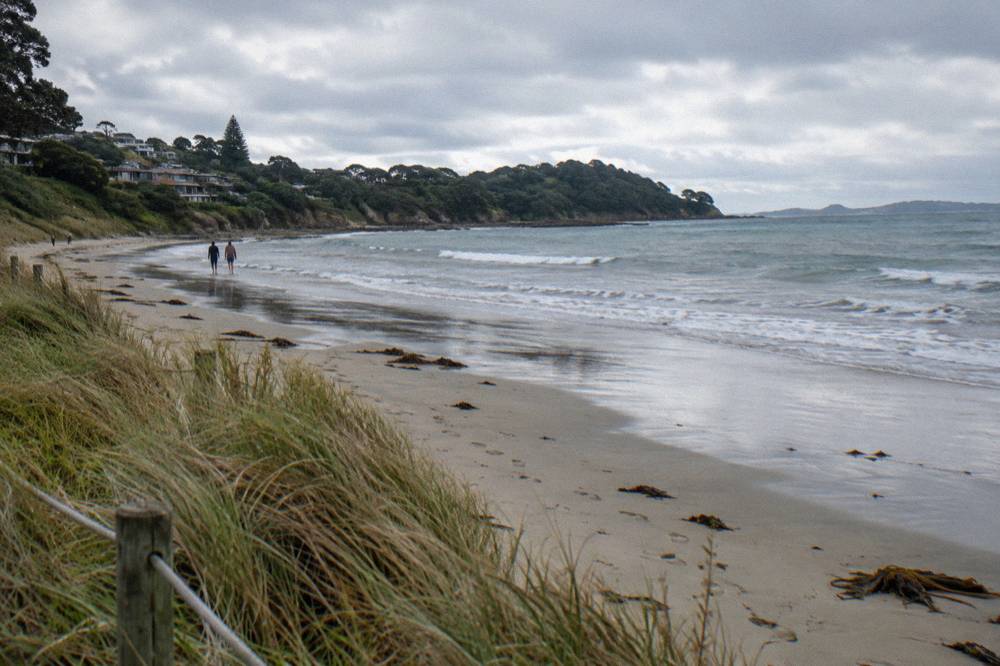
The Ostend Market runs on Saturday mornings at the Ostend War Memorial Hall and Reserve, with free entry, local produce, crafts and food stalls. It is the island's weekly rhythm rather than a tourist attraction, which is part of why it feels different from the vineyard side of Waiheke. Our free things to do on Waiheke Island guide lists all of the beaches, tracks and the market in one place.
What the free layer cannot do is drive you. Cellar door tastings are not free, the ferry is not free, and the island is hilly enough that walking between wineries eats a day. That is the honest line between free and paid here: the landscape is open to everyone, while the wine region's logistics, the tastings and the lunch are what a tour is for.
What Do The Michelin Stars Mean For Waiheke?
Mudbrick and Tantalus Estate each received one Michelin Star in New Zealand's inaugural Michelin Guide, announced in June 2026, the first guide to cover the country and the wider region. For an island of 9,310 residents, two starred venues is a remarkable concentration. It confirms what the vineyard plantings already suggested: Waiheke is treated as a serious food and wine destination, not a day trip curiosity.
The stars sit alongside facts that are easier to verify. Mudbrick's plantings began in 1992, and it is still owned and operated by Nick and Robyn Jones, with a cellar door open seven days from 10am to 5pm and restaurant service at lunch and dinner, hours that can shift for private functions. Stonyridge, a few valleys over, pours 7 days a week from 11:30am to 5pm and runs vineyard tours on Saturdays and Sundays year round at 11:30am, about 35 to 45 minutes with two tastings for NZ$10 per person, booked in advance.
The award attention does not change the island's scale. Production stays boutique because the land is finite, and the association's own framing, around 30 growers on 216 hectares, is of a small region that punches up through quality. A visitor sees that in the cellar doors themselves: family names, decades old plantings, and owners still pouring.
For planning purposes, the Michelin recognised venues book out for restaurant service, and the cellar door side is the more spontaneous option. Guided tours that include a tasting stop at one of the recognised estates handle that sequencing for you, which is one reason the food and wine tours dominate the island's tour listings.
Which Tours Show You The Most Of The Island?
The gourmet food and wine tour from Ananda Tours shows you the most of the island, scoring 4.9 from 310 reviews, costing from NZ$325 per person, and visiting Kennedy Point, Allpress Estate, Casita Miro and The Heke over 5 hours 50 minutes. If scenery matters more than food, the guided bush hike with wine tasting, rated 4.9 from 53 reviews, covers the headlands and ends with tastings at Cable Bay and Mudbrick.
The tours come in a few formats, and the format shapes your day. Shared and small group tours, such as the Ananda Gourmet Food and Wine Tour or the shared wineries day tour with tastings and lunch, from NZ$310 per person and 4.9 from 198 reviews, follow a fixed route with a local guide. Private options, like the Private and Customizable Wineries Tour from Ananda, 5 from 19 reviews and from NZ$790 per person, let you set the vineyards. At the independent end, the Ferry and Hop-On Hop-Off Explorer Bus ticket, 4.6 from 3,914 reviews and from NZ$104 per person, includes the return ferry and a bus pass valid for the full operating day across 16 stops.
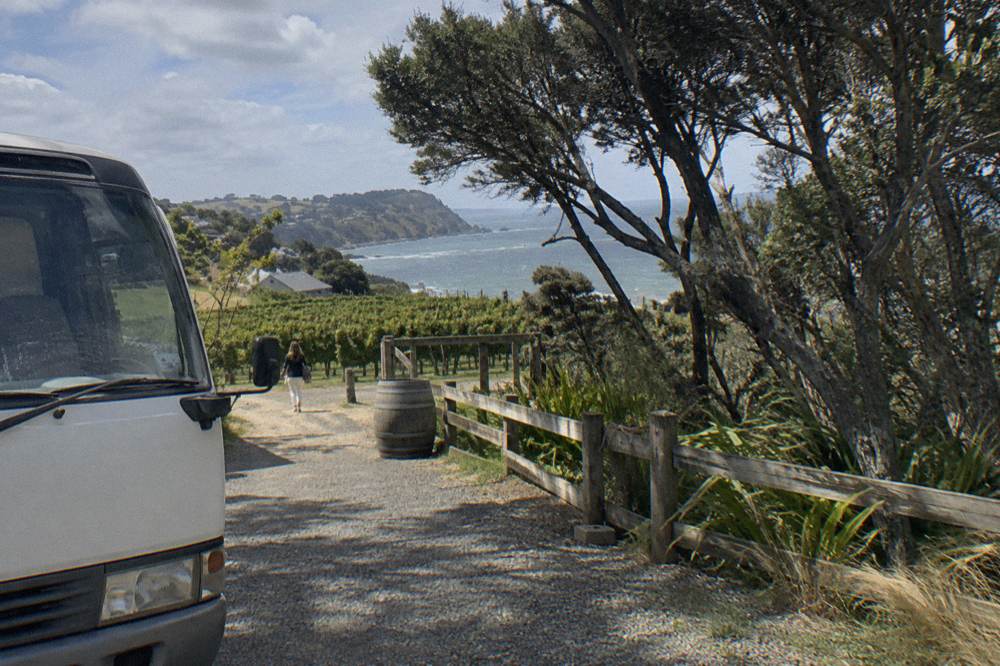
| Tour | Operator | Rating and reviews | From (NZ$) | What it shows |
|---|---|---|---|---|
| Gourmet Food and Wine Tour + Oysters | Ananda Tours | 4.9 from 310 reviews | NZ$325 per person | Vineyards, olive oil, tapas lunch, distillery stop |
| Ferry & Hop-On Hop-Off Explorer Bus | Fullers360 | 4.6 from 3,914 reviews | NZ$104 per person | Ferry plus 16 bus stops, self-guided |
| Small-Group Guided Bush Hike with Wine Tasting | Terra & Tide | 4.9 from 53 reviews | NZ$477 per person | Coastal track, picnic lunch, two tastings |
| Wineries Day Tour with Tastings and Lunch | Ananda Tours | 4.9 from 198 reviews | NZ$310 per person | Three vineyards, scenic lookouts, lunch |
| Premium eRide eBike Experience | eRide Waiheke | No rating printed | NZ$119 per person | Self-guided e-bike routes to vineyards and beaches |
One review of Ananda's food and wine half-day tour captures what a guided day delivers: "The tour guide knew the island very well and pointed all places on the island. The vine tasting was very informative and good as well as the lunch. I would do it again and highly recommend." That is Neal_S, 5 stars, on that listing. The hop-on hop-off option trades that structure for freedom, and the trade is genuine: the Western Explorer bus runs daily from 10am from Matiatia on an 80 minute loop, and the bus pass is valid for the whole operating day.
For a different register entirely, the bush hike with wine tasting from Terra & Tide spends most of its 5 hours on foot, with a guide trained in local flora, fauna and conservation, a picnic lunch and two wine tastings at Cable Bay Vineyards and Mudbrick. A guest review from maribeth_h calls it "a spectacular walk around the island with lots of breathtaking views, a delicious lunch", 10 out of 10. If the island's walking tracks and its wine both interest you, that tour is the bridge between them.
The comparison between formats, with per person prices and what each includes, is laid out in full in our small group versus private wine tours guide.
Does Waiheke Feel Different From Auckland?
Waiheke's resident population is 9,310, with an estimated 3,400 more people owning holiday homes, and the island's own climate data shows why it ripens grapes reliably: long term normals for the Awaroa Valley station record a January mean daily maximum of 24.3 degrees against July's 15.2. Add the ferry barrier, and the island operates on a slower, smaller register than the city 40 minutes away.
The climate numbers matter to the wine story more than they first appear. The same dry, warm pattern that draws swimmers to Onetangi in summer is what lets Merlot and Syrah reach full ripeness on north facing slopes. Rainfall is heavier in winter, 153.6 millimetres in July against 66.5 in January on the long term normals.
Seasons shape the visit too. The Auckland tourism guide describes summer, December to March, as the time of full operations and highest crowds, with ferries, winery visits and accommodation needing advance booking, autumn as a milder "sweet spot" around the grape harvest, and winter as quiet, with some cellar doors shifting to weekend only or reduced hours. Those are seasonal patterns, not promises: any given day can bring wind, rain or a closed venue, and no operator or ferry sailing can be counted on for a specific date.
The island's event calendar adds another layer, though dates change year to year and should always be confirmed on the operator or association pages. The Waiheke Island of Wine celebration ran across 1 to 31 October 2026, a month of winemaker dinners, masterclasses and cellar door exclusives. The wine festival and jazz festival return in various forms; nothing here should be booked on assumption.
Practical rules finish the picture. The legal purchase age for alcohol in New Zealand is 18, and the winegrowers' association site runs an over 18 gate. For anyone driving, NZTA sets the limit for drivers aged 20 or over at no more than 250 micrograms of alcohol per litre of breath, with zero alcohol for drivers under 20, and police can test at the roadside. On an island built around tasting rooms, a guided tour with a driver is not a luxury; it is the sensible reading of those numbers. That logic sits behind Waiheke Wine Tours as a whole, and behind the way the island's visitor economy is organised.
Choosing Your Version Of The Island
Match the format to what drew you: the gourmet food and wine tour from NZ$325 per person for the full tasting and lunch experience, the ferry and Explorer bus from NZ$104 per person for independent exploring, or the bush hike from NZ$477 per person for tracks and tastings. All three meet at Matiatia, all three need a separately bought ferry ticket unless the listing says otherwise, and all three show you a different island.
The wine led many readers here, and it is the strongest single reason the island stands out: 30 growers, 216 hectares, a red led identity and two Michelin stars on an island of under ten thousand residents. But the honest answer to what is special about Waiheke is the density of it all. A world class wine region, free beaches, a 100 kilometre walking network, a Saturday market and a starred restaurant scene, all inside a 40 minute ferry ride of the country's biggest city, is a combination very few places can match.
Whatever you choose, book the ferry with the same care you book the tour, read the inclusions list rather than the tour's name, and leave the driving to someone who is not tasting. The island will do the rest.
Common Questions About Waiheke Island
What Is So Special About Waiheke Island?
A 40 minute ferry ride from downtown Auckland lands you on an island with 216 hectares of vines across 30 growers, beaches including a roughly 2 kilometre stretch at Onetangi, more than 100 kilometres of walking tracks and two Michelin starred venues. Few places pack a serious wine region and a beach holiday into one small island this close to a major city.
How Long Is The Ferry From Auckland To Waiheke?
The crossing from the Downtown Ferry Terminal to Matiatia takes about 40 minutes, with some services via Devonport adding around 10 minutes. The adult walk-up return fare is NZ$65, and the off-peak adult return is NZ$48.50 for departures from Auckland from 1pm. Always check the operator's page for the fare on your date.
Do Waiheke Wine Tours Include The Ferry Ticket?
Almost none do. Most tours on the island start at Matiatia Wharf and require a separately purchased ferry ticket. The exceptions among the tours we feature are the private tour that bundles ferries, lunch and a bus pass, and the Explorer bus ticket, which bundles the return Waiheke Walk-up ferry with the hop-on hop-off bus. The private sommelier tour's listing also mentions ferry tickets, though it starts at Matiatia, so check the listing directly. Read each listing's inclusions before assuming.
What Wine Is Waiheke Known For?
Reds, led by Bordeaux style blends and Syrah. The winegrowers' association states 57 percent of production is red, with Merlot at 19 percent and Syrah at 18 percent, while Chardonnay at 16 percent leads the whites.
Is There Anything Free To Do On Waiheke Island?
Yes, plenty. Onetangi and Oneroa beaches, the Matiatia Owhanake coastal loop, the Church Bay circuit, the Rangihoua wetland path, the Te Ara Hura track network and the Saturday Ostend Market are all free to access. Cellar door tastings are not free, and neither is the ferry.
When Did Waiheke Wineries Get Michelin Stars?
Mudbrick and Tantalus Estate each received one Michelin Star in New Zealand's inaugural Michelin Guide, announced in June 2026. It was the first Michelin Guide to cover the country.